 Quran
Quran

Parents searching for “the youngest Hafiz” are usually chasing more than a title – they want proof that early memorization is achievable, and a sense of how it’s done. We’ve guided hundreds of young students through their own Hifz journeys, and the honest answer is less tidy than the search results suggest.
No single organization certifies a world record for youngest Quran memorizer. Several children — including Egypt’s Tabarak and Yazeed Al-Laboudy, completing around age four and a half, and Gaza’s Rashad Abu Ras, finishing at six — are each widely reported as among the youngest ever documented.
Table of Contents:
Which Children Are Most Widely Reported as the Youngest Hafiz?
The title “youngest Hafiz” has been claimed by several different children across different countries, each documented by regional news outlets rather than one global authority. These reports share a pattern: early exposure to recitation, a structured teacher, and heavy family involvement well before age five.
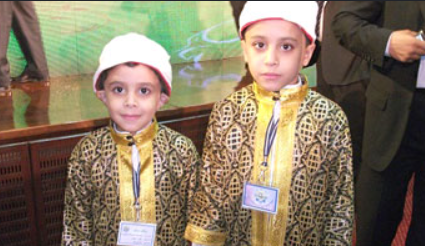
1. Tabarak and Yazeed Al-Laboudy of Tanta, Egypt
These twin brothers from Tanta began memorization at two and a half years old. Tabarak completed the full Quran at four and a half, and his younger brother Yazeed followed at the same age not long after, having absorbed much of the text simply by listening alongside his brother during sessions.
Their father, a pharmacist and Al-Azhar graduate himself, described starting with Surah An-Naba rather than the usual short surahs, then moving through the mus-haf in standard order. The family later built a foundation in Tanta to apply the same listening-based approach with other children.
Read also:How Many People Have Memorized the Quran?
2. Rashad Abu Ras of Gaza, Palestine
Rashad completed the full Quran in eight months at Madrasat al-Tabi’in al-Shar’iyyah in Gaza, finishing at six years old.
His teacher noted that Surah Al-Kahf demanded unusually heavy effort from him, while his father described consistent daily encouragement at home as the driving factor.
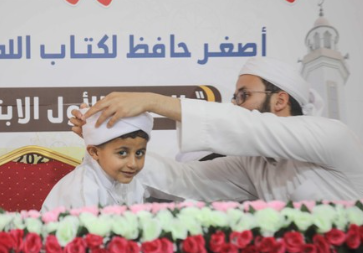
3. Abdullah Ahmed of Jordan and Ahmed Tamer of Egypt
Abdullah Ahmed completed the Quran at five, crediting a quiet, recitation-filled home environment. In Egypt, Ahmed Tamer Mamdouh — known locally as “the miracle child” — completed the Quran at five and a half.
None of these cases carries independent, standardized verification the way a Guinness World Record would. Readers researching this topic should treat each account as a well-reported family story, not a certified record.
Read also:How to Get a Hafiz-e-Quran Certificate? 6 Essential Steps
What These Early Memorizers Actually Had in Common?
Every documented case of early Hifz shares three consistent elements: daily structured exposure starting well before formal schooling, a qualified teacher guiding sequence and correction, and heavy family reinforcement through listening and repetition. None of these children memorized in isolation.
1. Consistent Listening Before Active Recitation
In nearly every account, the children were surrounded by recitation audio — often specific reciters like Al-Husary or Abdul Basit — for months before they began actively repeating verses themselves.
Yazeed Al-Laboudy reportedly absorbed portions of the Quran passively, simply by sitting beside his brother during lessons.
2. A Dedicated Teacher or School From an Early Age
Rashad Abu Ras was enrolled at a dedicated Quran school in Gaza, where his teacher structured his memorization in stages and identified which surahs required extra repetition.
This mirrors what we see consistently in our own classrooms: young children retain far more when a trained instructor sequences the material, rather than when parents attempt to structure it alone.
Read also:The 7 Best Quran Reciters to Memorize the Quran for Faster Hifz
3. Short, Frequent Sessions Rather Than Long Ones
None of the documented cases describe hour-long sessions with a four- or five-year-old. Reports consistently mention brief, repeated exposure throughout the day — a pattern that matches what child memorization specialists generally recommend for attention spans at that age.
| Case | Reported Start Age | Reported Completion Age | Key Factor |
| Tabarak Al-Laboudy | 2.5 years | 4.5 years | Full mus-haf order, listening-based start |
| Yazeed Al-Laboudy | ~3 years | 4.5 years | Passive absorption alongside older brother |
| Rashad Abu Ras | Not specified | 6 years (8-month journey) | Dedicated Quran school, teacher-guided pacing |
| Ahmed Tamer Mamdouh | 3 years | 5.5 years | Family-led memorization from first speech |
These figures come from family and media interviews rather than independent verification, and should be read as reported accounts rather than benchmarks to replicate exactly.
Read also:Islamic Quiz Questions for Children
Discover the Buruj Academy Difference
Step into our virtual classrooms and see how our expert instructors make learning Quran and Arabic intuitive and clear. We focus on overcoming the specific hurdles non-native speakers face, building your confidence and connection with the Quran.
Excel in Your Quranic Studies
Join Buruj Academy and master the Quran with our structured, professional curriculum.
Book Your Free TrialHow Realistic Is Early Memorization for an Average Child
Early memorization at ages four to six is achievable for some children, but it is not a realistic default expectation for most families. To set a healthy target, most instructors recommend judging readiness by a child’s attention span and speech clarity rather than by age alone.
The children widely reported in the media represent exceptional cases, often supported by full-time parental involvement, dedicated Quran schools, or unusually strong verbal memory from an early age. This doesn’t make Hifz unreachable for other children — it means the timeline should be built around the individual child.
We consistently see stronger long-term retention in students who begin around age five or six with 15 to 20 minute daily sessions, rather than students pushed into intensive memorization before their speech and comprehension have matured.
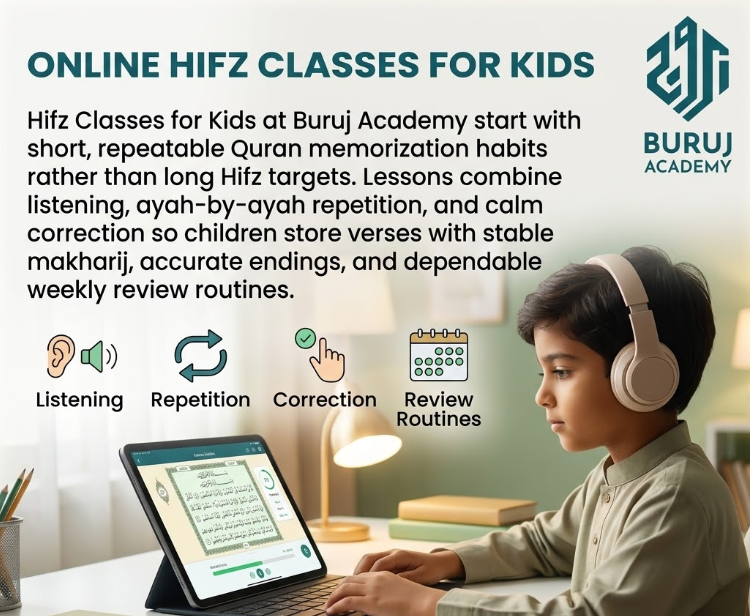
Our Hifz for kids course is structured around exactly this kind of paced, age-appropriate progression, and pairs naturally with our Quran Memorization Schedule guide for parents building a home routine.
Start your child’s Hifz classes with free session
Warning Signs of Rushing a Young Child’s Hifz
Pushing a child faster than their retention allows tends to show up as frustration during revision, verses recited correctly once but lost within days, or a child associating Quran time with pressure rather than connection. Any of these signals a pace mismatch worth adjusting immediately.
Slowing down at this stage rarely costs a child their eventual Hifz — but sustained pressure without retention often does.
We recommend parents revisit our Quran Revision Timetable whenever a child begins losing previously memorized portions, since gaps almost always trace back to insufficient spaced review.
What Role Do Parents Play in a Young Child’s Memorization?
Parents play the foundational role in early Hifz, functioning as the daily reinforcement layer between formal lessons. In every widely reported case, parents maintained consistent listening environments at home, tracked progress, and coordinated closely with the child’s teacher.
This aligns with Buruj Academy’s Buruj Method, which treats consistency-before-speed as the governing principle for young memorizers.
A child who reviews the same short portion daily for a week retains it more reliably than one who memorizes a longer portion once and moves on.
Parents beginning this process at home often benefit from starting with How to Memorize Quran Faster alongside our What Is the Best Way to Memorize Quran guide, both of which outline age-adjustable repetition systems rather than one-size approaches.
Guide Your Child’s Hifz Journey With Buruj Academy’s Structured Program
Every family in this article built their child’s Hifz around consistency, a qualified teacher, and daily reinforcement — not shortcuts. Buruj Academy’s Hifz for kids course applies the same principles through Al-Azhar-trained Hifz specialists who tailor pacing to each child’s age and retention style.
Our instructors use the Buruj Method’s consistency-before-speed approach, paired with personalized revision schedules and real-time correction during flexible 1-on-1 online sessions.
Whether your child is just starting or already memorizing, book a free trial lesson to see how a paced, structured plan fits your family.
Take the first step toward this lifelong blessing by enrolling in a program tailored to your pace:
- Online Hifz Program (Comprehensive Quran Memorization)
- Juz 30 Memorization Course (Perfect for focused starts)
- Hifz Classes for Kids (Engaging and interactive)
- Hifz Classes for Adults (Flexible scheduling for busy lives)
- Hifz Classes for Sisters (Private, supportive learning)
- Short Surah Memorization Course (Ideal for daily prayers)
- Hifz Ijazah Course (For advanced students seeking certification)
Don’t let another day pass without moving closer to your goal. Join Buruj Academy today and schedule your free trial session to begin your Hifz journey!
Excel in Your Quranic Studies
Join Buruj Academy and master the Quran with our structured, professional curriculum.
Book Your Free TrialConclusion
There isn’t one universally certified “youngest Hafiz” — there are several remarkable children, each documented by family and local media rather than an official record body. What connects them isn’t raw speed but a consistent structure: early listening, a dedicated teacher, and patient daily reinforcement at home.
For most families, the more useful question isn’t which child memorized fastest, but what pace suits their own child’s attention span and comprehension. Buruj Academy’s instructors build every Hifz plan around that principle, treating retention as the real measure of progress rather than age alone.
Frequently Asked Questions About the Youngest Quran Memorizers
Who Is Considered the Youngest Person to Memorize the Quran?
No single certified record exists. Egyptian twins Tabarak and Yazeed Al-Laboudy reportedly completed memorization at four and a half, while Gaza’s Rashad Abu Ras finished at six after an eight-month journey — both widely covered by regional media rather than a global authority.
At What Age Should a Child Start Memorizing the Quran?
Most instructors recommend beginning structured memorization around ages four to six, once a child’s speech is clear and attention span allows short daily sessions. Passive listening exposure can begin earlier, as seen in several documented early-Hifz cases.
How Long Does It Typically Take a Child to Memorize the Full Quran?
Timelines vary widely based on daily session length, consistency, and starting age. Documented cases range from eight months to several years; our How Long Does It Take to Read the Quran guide outlines realistic pacing for different commitment levels.
Is It Harmful to Push a Young Child to Memorize Quickly?
Yes, if pacing outstrips retention. Warning signs include frustration during revision and quickly forgotten verses. Slowing down rarely delays eventual completion, while sustained pressure often causes lasting setbacks in a child’s relationship with memorization.
Do These Young Memorizers Also Learn Tajweed?
Most documented cases, including the Al-Laboudy twins, incorporated Tajweed rules alongside memorization rather than afterward. Our Tajweed Rules for Kids guide covers how instructors typically sequence this for young learners.