 Quran
Quran

Before you begin, you should be able to read Arabic. Familiarity with the script is the first step and helps immensely with memorization. Once you are ready, understanding the best time to engage in Hifz can make the difference between a struggle and a smooth, blessed path.
This guide will explore the science of memory, the wisdom of Islamic tradition, and practical tips to help you find and utilize the best time to memorize Quran for your unique circumstances. Whether you are a beginner or seeking to refine your skills, understanding when your mind is most receptive can be the key to your success.
Memorizing the Quran, a sacred practice known as Hifz, is a rewarding journey for Muslims worldwide. It’s a journey that requires dedication, consistency, and a deep connection to the divine word.
While the commitment is key, many seekers often wonder: is there an optimal time of day to memorize the Quran? The answer, rooted in the wisdom of Islamic tradition and supported by modern science, can profoundly change your Quranic journey.
Table of Contents:
Why choosing best time to memorize Quran is important?
Memorization is not just about repeating words. It involves deep cognitive processing, a calm mind, and consistent effort. The time you choose for Hifz can significantly impact your focus, energy levels, and your ability to retain verses over the long term.
1. Cognitive Function
Your brain’s ability to absorb, process, and store new information fluctuates throughout the day. Choosing a time when your mind is at its peak alertness can dramatically increase the efficiency of your study sessions.
2. Spiritual Readiness
Islamic teachings emphasize certain moments of the day that are filled with spiritual tranquility and blessings. Aligning your memorization with these times can create a deeper, more meaningful connection to the Quran.
3. Consistency and Habit
Establishing a routine at the same time every day does more than just build discipline. It strengthens the neural pathways in your brain, making the habit of memorization stronger and more automatic over time.
By choosing the best time to memorize Quran, you are optimizing both your mental state and your spiritual connection to this sacred practice.
The Best Time to Memorize Quran: Insights from Islamic Tradition
Islamic teachings and the practices of the Prophet Muhammad (peace be upon him) and his companions offer a clear and compelling case for the early morning. The concept of Barakah (divine blessing) is particularly associated with the morning hours, a tradition followed by scholars and students over centuries.
The Golden Hours: Fajr and Tahajjud
The hours of Fajr and Tahajjud represent a unique intersection of spiritual serenity and mental clarity, offering the ideal environment for deep focus. Leveraging these blessed times allows a believer to align their cognitive efforts with the profound tranquility of the early morning.
1. Early Morning (Fajr Time):
The hours before and immediately after the Fajr (dawn) prayer are widely considered the absolute best time to memorize Quran. This period is marked by unparalleled tranquility and minimal distractions.
The Prophet Muhammad (PBUH) specifically prayed for blessings in the early hours for his community:
“O Allah, bless my Ummah in their early mornings.”
This prayer highlights the spiritual and material blessings associated with productivity at this time. Many narrations emphasize his own routine of waking up for Fajr and starting his day with prayer and devotion.
Buruj Academy’s Online Hifz Program structures lesson scheduling to prioritize early morning slots, with Al-Azhar-trained Hifz specialists who guide students through consistent post-Fajr routines built around their time zones globally.
Start Hifz today with a FREE trial session

2. After Fajr Prayer:
In the moments after performing Fajr prayer and before the hustle of daily activities begins, the mind is fresh, rested, and uncluttered. This is the time when the slate of your mind is clean, ready to absorb new information.
Many successful huffaz (Quran memorizers) attest that this is when they learn new verses most effectively. The early Muslims understood the profound value of these hours. It was a time of intense devotion, and engaging in Hifz during this period aligns your worldly efforts with a deep spiritual commitment.
3. Tahajjud (The Last Third of the Night):
For those seeking an even deeper connection, the last third of the night is one of the most spiritually powerful times. The Prophet (PBUH) said,
“Our Lord… comes every night to the nearest Heaven when only the last third of the night remains, and He says, ‘Is there anyone to invoke Me, so that I may respond to his invocation?’…” (Bukhari).
For memorization, this time offers an unparalleled opportunity for heartfelt supplication and focused study, as the spiritual and physical quiet of the night converge.
The Silver Hours: Other Recommended Times
While the morning is best for new lessons, some traditions suggest the late afternoon hours as a good time to review memorized verses. This helps reinforce your memory before evening activities and solidifies what you learned in the morning.
Night Memorization Before Sleep Strengthens Retention Through Sleep Consolidation
Memorizing verses in the 30-45 minutes directly before sleep is a powerful retention strategy—but specifically for revision, not new material. The brain processes and consolidates whatever it encounters last before sleep during the night’s memory cycles.
This means reciting recently memorized verses quietly before sleeping embeds them more deeply into long-term memory. Many Huffaz across generations describe reviewing their current portion immediately before sleep as essential to their revision system.
The key distinction here is: new memorization belongs to Fajr; night sessions belong to revision. Conflating these reduces the effectiveness of both.
Through Buruj Academy’s Hifz for Adults, students learn to structure their day around this dual-window approach—new verses at Fajr, consolidation before sleep—allowing working professionals to memorize consistently without overwhelming their schedules.
Book Your Free Trial Lesson with Burruj’s Hifz Course for Adults
The Science Behind the Wisdom: When Our Brains Memorize Best
Modern neuroscience strongly supports the traditional Islamic wisdom regarding the best time to memorize Quran.
1. Morning is the Peak Cognitive Period:
Scientific studies consistently show that most people have peak alertness and mental function in the morning. After a good night’s sleep, your brain has cleared out toxins and is primed for learning. This makes it easier to absorb and process complex new information, like the verses of the Quran.
2. Sleep and Memory Consolidation:
Memorizing right before sleep has also shown evidence of improved retention. This is because sleep plays a crucial role in consolidating memories, moving them from short-term to long-term storage in the brain. However, fatigue after a long day can sometimes negate this benefit, which is why the morning remains superior for new lessons.
3. Consistency and Routine Build Neural Pathways:
The brain adapts remarkably well to consistent schedules. When you memorize at the same time every day, you are literally training your brain. This routine helps to reinforce the neural pathways associated with memory, making the process more efficient over time.
4. Short, Focused Sessions are Better:
Research also indicates that 20-30 minutes of highly focused memorization during your peak alertness is far more effective than longer, sporadic, and distracted sessions.
Discover the Buruj Academy Difference
Step into our virtual classrooms and see how our expert instructors make learning Quran and Arabic intuitive and clear. We focus on overcoming the specific hurdles non-native speakers face, building your confidence and connection with the Quran.
How to Maximize Your Memorization Time? (Tips for Memorizing Quran)
Once you’ve identified your best time, use these practical tips to make the most of it.
1. Create a Conducive Environment
Find a quiet, well-lit, and comfortable space free from distractions. Put your phone on silent and in another room.
2. Start with a Fresh Mind
Don’t begin memorizing when you’re tired or stressed. Take a few minutes to clear your mind, make dua (supplication), and set your intention. Performing Wudu (ablution) is also highly recommended as it prepares you spiritually and mentally.
3. Use a Proven Method
A common technique is to mix new memorization with revision. A good ratio to follow is spending 70% of your time on revision (Muraja’ah) and 30% on your new lesson. This ensures that what you’ve already learned is not forgotten.
4. Seek Guidance
The journey of Hifz is made significantly easier with a guide. A qualified teacher can correct your Tajweed, keep you motivated, and provide a structured plan. At Buruj Academy, we connect students with expert native tutors who specialize in creating personalized Hifz plans.
Children Memorize Most Effectively During Mid-Morning Sessions
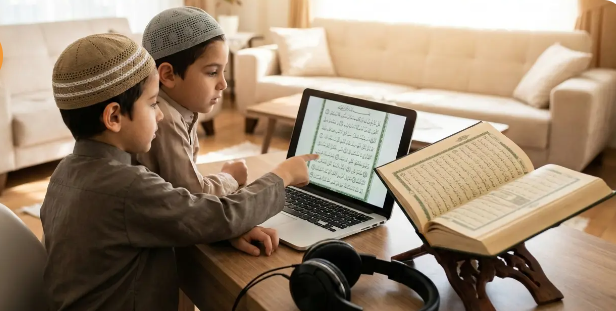
For children aged 5-15, the post-Fajr window often isn’t realistic. Research and our classroom experience confirm that children’s peak cognitive performance occurs between 9:00 AM and 11:30 AM, after breakfast and morning activity have settled the nervous system.
Optimal Session Length by Age Group
| Age Group | Recommended Session Length | Verses Per Session |
| 5–7 years | 10–15 minutes | 1–3 short verses |
| 8–10 years | 15–20 minutes | 3–5 verses |
| 11–13 years | 20–30 minutes | 5–8 verses |
| 14–15 years | 30–40 minutes | 8–12 verses |
Children’s working memory capacity is smaller than adults’ but their phonetic absorption is faster. Shorter, more frequent sessions with immediate review outperform long sessions dramatically at these ages.
Buruj Academy’s Hifz for Kids schedules sessions within this mid-morning window when possible, with instructors trained specifically in child memorization psychology and age-appropriate encouragement techniques.
Start your child’s Hifz classes for free session
Read Also: Quran Memorization Schedule
Ramadan Provides Unique Conditions That Accelerate Quran Memorization
Ramadan represents an exceptional memorization opportunity that functions differently from regular scheduling. The reduced food intake during fasting sharpens mental clarity in the post-Suhoor window, and the spiritual environment increases motivation and consistency.
Many students who struggle to maintain Fajr memorization habits year-round find Ramadan naturally establishes the routine. Post-Tarawih revision sessions—where freshly recited surahs are reviewed immediately after hearing them in prayer—are uniquely effective for embedding material.
We recommend using Ramadan to establish new memorization habits and increase the daily verse target by 30-50%. The elevated spiritual state compensates for reduced sleep, provided students protect their Suhoor memorization window carefully.
Read Also: Best Quran Memorization App
Physical and Spiritual Preparation Directly Affects Which Times Become Most Productive
The best time to memorize the Quran is ultimately the time when you are most present—physically, mentally, and spiritually. Sleep deprivation makes Fajr counterproductive. Stress and emotional turbulence reduce retention at any hour.
Practical preparation steps include: completing Wudu before each session, reciting Isti’adha and Basmala, facing Qiblah when possible, and eliminating phone notifications for the session duration. These aren’t ritualistic suggestions—they create physiological calm that supports concentration.
Students who begin sessions with intentional spiritual preparation consistently report better focus and stronger retention than those who open the Mushaf immediately without transition.
Start Learning the Quran Today
Join our qualified teachers and begin your journey in Quran recitation, Tajweed, and understanding — from the comfort of your home.
Book Your Free TrialRead Also: What Is the Best Way to Memorize the Quran?
Start Your Hifz With Buruj Academy’s Expert Memorization Instructors
The right timing strategy dramatically accelerates memorization—but consistent expert guidance makes the difference between gradual progress and genuine mastery.
Buruj Academy’s Online Hifz Program offers:
- Al-Azhar-trained Hifz specialists with 12+ years teaching non-Arabic speakers
- Personalized memorization schedules built around your daily routine and optimal time windows
- The Buruj Method: consistency-before-speed, ensuring retention before advancing
- Flexible 1-on-1 online sessions with 24/7 scheduling across all time zones
- Real-time correction and individualized feedback on both memorization and Tajweed
- Structured revision systems preventing long-term forgetting
Book your free trial lesson today and let our instructors build a memorization plan that fits your life, your schedule, and your goals—Insha’Allah.
See which of Burooj’s ِArabic courses aligns with your learning path:
- Arabic Classes for Adults
- Arabic Course for Beginners
- Alphabet course
- Arabic Grammar
- Reading Arabic fluently
- Speaking Arabic fluently
- Arabic writing

Conclusion: The Timeless Pursuit of Hifz
Memorizing the Quran is a spiritually enriching and intellectually rewarding pursuit. The best time to memorize Quran is a powerful combination of Islamic tradition and scientific insight. While the spiritual and cognitive benefits of the early morning are undeniable, the most important factor is making Hifz a consistent, daily practice.
Whether you are memorizing your first surah or are deep into your Hifz journey, recognizing and utilizing your best time can transform your experience. It will help you retain the sacred words with greater ease and reverence. For those seeking a structured path, Buruj Academy’s online Arabic courses provide the foundational reading skills necessary to begin.





Leave a Reply