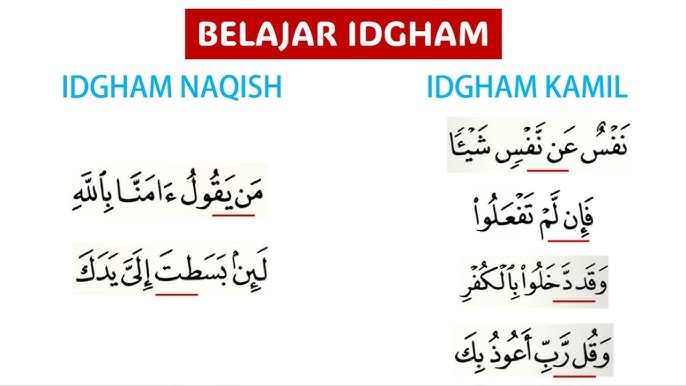
 Tajweed
| Key Takeaways |
| Tajweed is the science that governs correct Quranic pronunciation, preserving the recitation transmitted from the Prophet ﷺ. |
| The word Tajweed comes from Arabic and means improving or perfecting something according to established standards. |
| Tajweed developed gradually through oral transmission before scholars codified its rules into a formal discipline. |
| Learning Tajweed protects reciters from pronunciation mistakes that may alter meanings or reduce recitation quality. |
| Tajweed includes rules related to articulation points, letter characteristics, elongation, nasalization, and stopping. |
Many Muslims can read the Quran, yet many wonder whether they are reciting it exactly as it was revealed. Small pronunciation differences can affect the beauty, accuracy, and preservation of Quranic recitation.
Tajweed is the science of reciting the Quran correctly by giving every letter its proper articulation point and characteristics. It preserves the manner of recitation taught by Prophet Muhammad ﷺ and transmitted through generations of qualified Quran teachers.
Table of Contents:
What Is Tajweed in Quran Recitation?
Tajweed is the set of principles that ensures every Quranic letter is pronounced correctly according to the recitation transmitted from the Prophet ﷺ. Tajweed in Quran governs pronunciation, elongation, pauses, nasal sounds, and the interaction between letters during recitation.
The Arabic word “Tajweed” (تجويد) comes from the root ج و د, which carries the meaning of improvement, excellence, and beautification. Linguistically, Tajweed means making something good or excellent.
In Quranic terminology, Tajweed means giving every letter its due rights and characteristics while reciting the Quran.
At Buruj Academy, we often observe that beginners focus on memorizing rule names before training their ears.
Through our Tajweed for Beginners course, we follow the Buruj Method of sound-before-rules, helping students hear and produce correct sounds before studying technical terminology.
Quranic Evidence for Beautiful Recitation
Allah says:
وَرَتِّلِ الْقُرْآنَ تَرْتِيلًا
Wa rattilil-Qur’āna tartīlā
“And recite the Qur’an with measured recitation.” (Al-Muzzammil 73:4)
The word tartīl here refers specifically to deliberate, rule-governed recitation — the classical Tajweed scholars cited this verse as the primary Quranic evidence for the obligation of Tajweed.
Book Your FREE Trial Lesson to Begin Your Tajweed Journey
What Is Tajweed in Islam?
Tajweed in Islam is the practical application of preserving Allah’s words exactly as they were transmitted through authentic chains of recitation. Tajweed in Islam is not merely beautification; it is part of safeguarding the Quran’s pronunciation and oral tradition.
The Quran was revealed orally and taught orally. The Prophet ﷺ recited it to his Companions, who then transmitted it to later generations.
The importance of proper recitation is reflected in the authentic hadith:
“The one who is proficient in the Quran will be with the noble and righteous scribes.” (Sahih al-Bukhari)

Tajweed helps Muslims approach this noble standard by striving for accuracy and excellence in recitation.
Students beginning Quran study often benefit from structured instruction through a Quran Reading Course before advancing to more detailed Tajweed study.
Book your Free trial lesson and start reading the Quran

What Is Tajweed in Arabic?
Tajweed in Arabic means improvement, enhancement, or making something excellent. The term existed linguistically before becoming a specialized Quranic science used by scholars of recitation.
| Term | Arabic | Meaning |
| Tajweed | تجويد | Improvement or beautification |
| Jawwad | جوّد | He improved |
| Jayyid | جيد | Good or excellent |
The linguistic meaning helps explain why Tajweed focuses on improving Quran recitation while maintaining complete faithfulness to the transmitted pronunciation.
However, Tajweed is not about adding personal styles or musical effects. Its purpose is preserving authentic pronunciation rather than creating artistic variation.
For students interested in deeper Quranic language understanding, our Quranic Arabic Course complements Tajweed study by helping learners understand the language they recite.
Begin Understanding Quranic Arabic with a FREE Lesson

What Is the History of Tajweed?
The history of Tajweed began with the revelation of the Quran itself. The Prophet ﷺ taught the Quran directly to his Companions, who learned pronunciation through listening, imitation, and correction long before formal books on Tajweed existed.
During the Prophet’s lifetime, Tajweed was transmitted practically rather than through written rule manuals.
As Islam spread to non-Arab regions, scholars recognized the need to document pronunciation principles to protect the Quran from linguistic errors.
Early Development of Tajweed
| Period | Development |
| Prophetic Era | Oral teaching and direct transmission |
| Companions Era | Preservation through recitation circles |
| Early Islamic Centuries | Increasing need for codification |
| Later Scholarship | Written Tajweed manuals and systematic study |
Read also: The Best Tajweed Institute
Discover the Buruj Academy Difference
Step into our virtual classrooms and see how our expert instructors make learning Quran and Arabic intuitive and clear. We focus on overcoming the specific hurdles non-native speakers face, building your confidence and connection with the Quran.
Excel in Your Quranic Studies
Join Buruj Academy and master the Quran with our structured, professional curriculum.
Book Your Free TrialWho Invented Tajweed?
No individual invented Tajweed. The rules of Tajweed originated from the recitation taught by Prophet Muhammad ﷺ and transmitted through generations of reciters. Scholars later organized and documented these principles into a formal science.
This distinction is important because Tajweed is not a human innovation added to the Quran.
Instead, scholars observed recurring pronunciation patterns within authentic recitation traditions and recorded them systematically.
Among the scholars who contributed significantly to Tajweed literature were great recitation scholars such as Abu ‘Ubayd al-Qasim ibn Sallam, Imam al-Dani, and Imam Ibn al-Jazari.
The Role of Scholars
| Scholars Did | Scholars Did Not Do |
| Document rules | Create new pronunciations |
| Preserve recitation | Change Quranic sounds |
| Explain principles | Invent revelation |
| Teach methodology | Replace oral transmission |
Our Tajweed for Beginners course is taught by Ijazah-certified instructors whose sanad connects directly to this living scholarly tradition.
How Many Tajweed Rules Are There?
The number of Tajweed rules varies depending on how one counts and classifies them. There is no single universally agreed-upon number, and different scholars organize the material differently.
However, a practical and widely accepted framework groups the core rules into these major categories:
| Category | Key Rules |
| Noon Sakinah & Tanween | Ikhfa, Idgham, Iqlab, Izhar |
| Meem Sakinah | Ikhfa Shafawi, Idgham Shafawi, Izhar Shafawi |
| Madd (Prolongation) | Madd Asli (Natural), Madd Far’i (Secondary — 6+ subdivisions) |
| Ghunnah | Rules for nasalization with Noon and Meem |
| Qalqalah | Echo rule for 5 letters (ق ط ب ج د) |
| Tafkhim & Tarqiq | Heavy and light letter rules |
| Makharij al-Huruf | 17 articulation points across 5 vocal regions |
| Waqf & Ibtida’ | Pause and resumption rules |
| Hamzah rules | Hamzat al-Wasl, Hamzat al-Qat’ |
In total, scholars typically identify somewhere between 60 and 70 individual rules when all sub-categories are counted.
For a student beginning this discipline, the more important question is not the total number but the correct learning sequence — which is why our article on essential Tajweed rules addresses exactly this.
In Buruj’s Azhari Quran tutors‘ experience, students who attempt to memorize all rule names before hearing them applied in recitation consistently struggle to transfer that knowledge to live reading.
The rules must be heard before they are named — this is the core insight behind our Sound-before-Rules methodology.
Book a FREE trial session with one of Buruj’s Azhari Quran tutors

Why Is Learning Tajweed Important?
Learning Tajweed helps Muslims recite the Quran accurately, avoid significant pronunciation mistakes, and preserve the authentic oral tradition of the Quran. Proper Tajweed also improves confidence, fluency, and attentiveness during recitation.
Many errors occur when learners substitute similar sounds, especially letters unfamiliar to English speakers.
At Buruj Academy, we frequently notice confusion between ص and س, or between ح and ه, among adult beginners. Focused correction and repetition usually resolve these challenges within several weeks of consistent practice.
Read also: What is the Difference Between Juz and Hizb in the Quran?
Quranic Example of Precise Pronunciation
مِن شَرِّ الْوَسْوَاسِ الْخَنَّاسِ
Min sharri al-waswāsi al-khannās
“From the evil of the retreating whisperer.” (An-Nas 114:4)
This verse contains examples of ghunnah and letter characteristics that become clearer when Tajweed principles are applied correctly.
Students seeking guided correction often benefit from Online Tajweed Classes course taught by Ijazah-certified instructors and Al-Azhar graduates experienced in teaching non-Arabic speakers.
Book Your FREE Trial Lesson to Begin Your Tajweed Journey

Learn Tajweed Correctly with Buruj Academy
Understanding what Tajweed is provides the foundation, but mastery comes through listening, practice, and personalized correction. Proper recitation develops gradually under qualified guidance and consistent application.
At Buruj Academy, our Ijazah-certified instructors and Al-Azhar graduates have more than 12 years of experience teaching non-Arabic speakers worldwide.
Our Online Tajweed Classes course and Quran Recitation Course provide personalized one-on-one instruction, real-time correction, flexible scheduling, and the Buruj Method of sound-before-rules learning.
Book your free trial lesson today and begin building confident, accurate Quran recitation.
Join a supportive learning environment tailored to your pace and lifestyle. Start your journey toward excellence by enrolling in one of our specialized tracks:
- Online Tajweed Classes
- Tajweed Classes for Beginners
- Tajweed Classes for Adults
- Tajweed Classes for Sisters
- Tajweed Classes for Kids
- Advanced Tajweed Course
- Amli Tajweed Course (Practical Application)
Ready to transform your recitation? book your free assessment and start your path to Tajweed mastery today!
Excel in Your Quranic Studies
Join Buruj Academy and master the Quran with our structured, professional curriculum.
Book Your Free TrialConclusion
Tajweed is the science that preserves the Quran’s authentic pronunciation by giving every letter its proper rights and characteristics. While scholars later documented its principles, Tajweed itself originates from the recitation taught by the Prophet ﷺ.
Whether you are a complete beginner or seeking refinement, learning Tajweed helps you recite the Quran with greater accuracy, confidence, and reverence. With qualified guidance and steady practice, meaningful improvement is achievable for every student, Insha’Allah.
Frequently Asked Questions About Tajweed
What Is the Difference Between Tajweed and Tarteel?
Tarteel refers to the style of recitation — deliberate, measured, and clear — commanded in Surah Al-Muzzammil (73:4). Tajweed is the science of rules that governs how that recitation is executed correctly. Tarteel is the what; Tajweed is the how. A reciter who applies Tajweed at a measured pace is, by definition, reciting in the style of tarteel.
Is Learning Tajweed Obligatory for All Muslims?
Correct pronunciation — avoiding errors that change meaning — is individually obligatory for every Muslim who recites Quran in Salah. Attaining polished, beautified recitation is a communal obligation, meaning the community as a whole must have qualified reciters, though every individual is not required to reach this level. Both categories, however, require sincere effort and ideally a qualified teacher.
Can Adults Learn Tajweed Without Prior Arabic Knowledge?
Yes. Tajweed and Arabic language learning are parallel disciplines, not sequential ones. Many non-Arabic speaking students learn Tajweed rules for Quranic recitation without studying Arabic grammar, because Tajweed focuses on phonetics and sound rather than meaning or vocabulary. Our Tajweed for Beginners course is specifically designed for adult beginners with no prior Arabic background.
How Long Does It Take to Learn Tajweed?
The timeline depends on prior recitation experience, consistency, and the level of mastery being pursued. In our instructors’ experience, students with no recitation background typically need six to twelve months of regular practice to apply foundational rules correctly in live recitation. Reaching a level of fluent, confident Tajweed application takes longer — often two to three years of consistent study. Our dedicated article on how long it takes to learn Tajweed covers this in full detail.
What Are the Most Important Tajweed Rules to Learn First?
The most foundational rules for beginners are the Noon Sakinah and Tanween rules — covering Ikhfa, Idgham, Iqlab, and Izhar — alongside Madd Asli (natural prolongation) and Ghunnah. These rules appear with the highest frequency in Quranic text, meaning correct application of these four areas alone dramatically improves the accuracy of daily recitation.