 Tajweed

| Key Takeaways |
| Sukoon is a diacritical marker (ـْ) placed above a consonant to indicate it carries no vowel sound. |
| In Tajweed, sukoon triggers specific recitation rules including Qalqalah, Ikhfa, Idgham, and Idh-har. |
| The sukoon symbol appears as a small circle (ـْ) in standard Arabic text and as a small head of kha (ـۡ) in the Mushaf. |
| Sukoon is divided into two types: original sukoon (asliyy), part of the word’s structure, and pausal sukoon (aarid), occurring at stopping points. |
| Mastering sukoon is foundational for correct Quran recitation — every sakin letter in the Quran activates a Tajweed rule. |
When students first encounter the sukoon symbol in Arabic text, many treat it as a simple “silent marker” and move on. That instinct costs them accuracy, because in Tajweed, a sakin letter is never passive — it is always active.
Sukoon (سُكُون) is the absence of a vowel on a consonant, marked by a small circle above the letter. In both Arabic grammar and Tajweed science, every sukoon triggers a specific ruling that governs how that letter must be pronounced.
What Does Sukoon Mean in Arabic?
Sukoon in Arabic means stillness or cessation — the letter’s sound stops without a vowel carrying it forward. In Arabic linguistics, sukoon (سُكُون) is the diacritical sign placed above a consonant to indicate it bears none of the three short vowels: fatha (ـَ), damma (ـُ), or kasra (ـِ).
A sakin (sukoon-bearing) letter cannot be pronounced in isolation. It always requires a voweled letter before it to make the syllable complete. Words like بَيْت (bayt — house), قَلْب (qalb — heart), and شَمْس (shams — sun) all demonstrate this: the sukoon letter is held by the vowel preceding it.
What Is the Sukoon Symbol in Arabic Writing?
The sukoon symbol appears as a small hollow circle (ـْ) written above the consonant in standard Arabic text. In the Uthmani Mushaf (the standard Quranic script), it appears as the head of a small kha (ـۡ), which is slightly different in shape but identical in function.
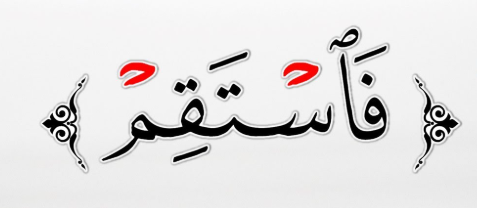
In Arabic calligraphy, the sukoon marker takes stylistic variation depending on the script style — Naskh, Thuluth, or Ruq’ah — but always retains its core form as a compact marker above the letter. Recognising this symbol quickly is one of the first practical skills we develop with beginners at Buruj Academy.
What Is Sukoon in Tajweed?
In Tajweed, sukoon is far more than a grammar marker — it is a recitation trigger. Every sakin letter in the Quran carries a specific Tajweed ruling, determined by which letter it is and which letter follows it.
Understanding what sukoon does in recitation requires knowing the difference between two types: original sukoon (سُكُون أَصْلِي), which is fixed in the word whether you are reciting mid-sentence or stopping, and pausal sukoon (سُكُون عَارِض), which appears only when stopping at the end of a word or verse.
What Is Original Sukoon in Tajweed?
Original sukoon is part of the word’s root structure. The sukoon symbol (ـۡ) appears above the letter in the Mushaf at all times. An example is the letter meem in يَعْلَمُ (ya’lamu) — the ayn carries a fixed sukoon whether you continue reading or stop.
When a letter with original sukoon appears in the Quran, the Mushaf’s marking tells the reciter precisely how to treat it: the head-of-kha symbol (ـۡ) signals Idh-har (إِظْهَار) — clear pronunciation. No merging, no concealment.
What Is Pausal Sukoon in Tajweed?
Pausal sukoon occurs when a reciter stops (waqf) on a word that normally ends with a short vowel. That final vowel is dropped and the letter receives a sukoon for the stopping position. This is why reciters often hear the rule: لا يُبدأ بساكن ولا يُوقف على متحرك — “do not begin with a sakin, do not stop on a voweled letter.”
This type of sukoon is not marked in the Mushaf because it is conditional — it only exists when stopping occurs.
Excel in Your Quranic Studies
Join Buruj Academy and master the Quran with our structured, professional curriculum.
Book Your Free TrialHow Does Sukoon Affect Tajweed Rules?
This is where students realise that sukoon sits at the heart of Tajweed science. Four major Tajweed categories are directly governed by the sakin condition of a letter.
| Tajweed Rule | Trigger Condition | Action Required |
| Idh-har (Clarity) | Noon sakinah or Tanwin followed by throat letters (أ هـ ع غ ح خ) | Pronounce the noon clearly, no nasal hold |
| Idgham (Merging) | Noon sakinah or Tanwin followed by (ي ر م ل و ن) | Merge the noon into the following letter |
| Ikhfa (Concealment) | Noon sakinah or Tanwin followed by 15 specific letters | Hold nasal sound (ghunnah) for two counts |
| Iqlab (Conversion) | Noon sakinah or Tanwin followed by baa (ب) | Convert noon sound to meem with ghunnah |
These four rulings alone — all triggered by sukoon on the noon — demonstrate why understanding sukoon is foundational for any serious student of Quranic recitation. For a deeper look at how Ikhfa works across all 15 letters, our guide on the Ikhfa letters in Tajweed explains each letter’s specific nasal weight.
At Buruj Academy, our Online Tajweed Classes teach students to recognise sakin letters in live recitation before memorising rule names — because the ear must lead the mind. Our Ijazah-certified instructors guide students through each sukoon ruling with real Quranic examples, not isolated drills.
Book Your FREE Trial Lesson to Begin Your Tajweed Journey

What Is Qalqalah and How Does Sukoon Activate It?
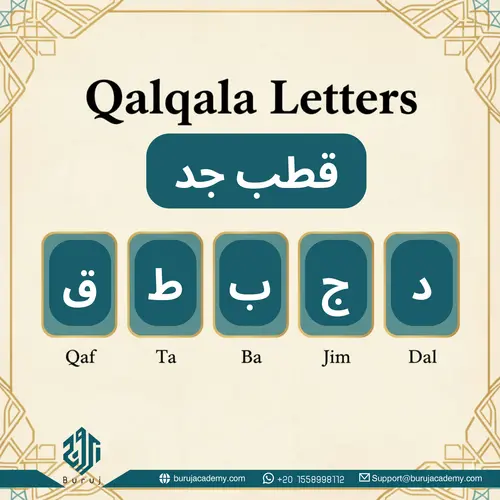
Qalqalah is one of the most recognisable Tajweed effects triggered by sukoon. It is the slight echoing bounce produced when one of the five Qalqalah letters — ق ط ب ج د (often remembered as قُطْب جَد) — carries a sukoon.
When any of these five letters becomes sakin — either mid-word or at a stopping point — the articulation point (makhraj) must be released with a controlled echo, not a full vowel. The mouth does not hold the letter static; it bounces off it.
قُلْ أَعُوذُ بِرَبِّ ٱلْفَلَقِ
Qul a’oodhu bi-rabbil-falaq
“Say, I seek refuge in the Lord of daybreak.” (Al-Falaq 113:1)
(The letter Qaf in “falaq” carries a sukoon Arid when stop at it and produces Qalqalah at the point of articulation — a controlled bounce, not a vowel.)
Students who stop the Qalqalah letter without the echo produce a flattened, inaccurate recitation. This is the most common sukoon-related error we correct in our sessions. For a full breakdown of which letters require this treatment and why, see our detailed article on Qalqalah letters.
Discover the Buruj Academy Difference
Step into our virtual classrooms and see how our expert instructors make learning Quran and Arabic intuitive and clear. We focus on overcoming the specific hurdles non-native speakers face, building your confidence and connection with the Quran.
What Are the Meem Sakinah Rules in Tajweed?
Meem sakinah (مِيمٌ سَاكِنَة) refers specifically to the letter meem (م) when it carries a sukoon. It has three dedicated Tajweed rulings based entirely on which letter follows it.
| Following Letter | Rule Name | Pronunciation |
| Baa (ب) | Ikhfa Shafawi | Conceal the meem with a labial ghunnah for two counts |
| Meem (م) | Idgham Shafawi | Merge the two meems into one with ghunnah |
| Any other letter | Idh-har Shafawi | Pronounce the meem clearly with lips closed |
Ikhfa Shafawi is the most frequently misread rule. Beginners either fully pronounce the meem before baa (producing an extra letter) or skip the ghunnah entirely. The correct recitation holds a nasal hum with lips closed before releasing into the baa — a two-beat nasal concealment.
Buruj Academy’s Tajweed Course for Beginners dedicates structured sessions to meem sakinah in context — teaching students to identify the following letter instantly during recitation, not only in isolated exercises. Our Al-Azhar University graduates train this recognition through live Quranic passage drills from the first week.
Book Your FREE Trial Lesson to Begin Your Tajweed Journey

Examples of Sukoon in Quran
Recognising sukoon across different letter types — noon, meem, Qalqalah letters, and regular consonants — builds the practical recitation skill that theory alone cannot produce.
| Quranic Word | Sakin Letter | Rule Triggered |
| مِنْ شَرِّ (min sharr) | Noon sakinah before sheen | Ikhfa |
| مِنْ رَبِّهِمْ (min rabbihim) | Noon sakinah before raa | Idgham (with ghunnah) |
| أَنْعَمْتَ (an’amta) | Noon sakinah before ayn | Idh-har |
| يَنْبُوعاً (yanboo’an) | Noon sakinah before baa | Iqlab |
| قُلْ (qul) | Lam sakinah | Regular sukoon, clear pronunciation |
These examples confirm that sukoon appears in virtually every line of the Quran and governs recitation at every turn. Students who can identify the sakin letter and its following letter immediately know the correct ruling — that is the practical goal of Tajweed training.
To see how Idgham rules function across their full range of triggering letters, our Idgham rules in Tajweed article provides a detailed reference. And for students also developing their ghunnah on these letters, the Ghunnah rules guide connects directly to the nasal dimension of sukoon rulings.
Excel in Your Quranic Studies
Join Buruj Academy and master the Quran with our structured, professional curriculum.
Book Your Free TrialMaster Tajweed Sukoon Rules with Buruj Academy’s Expert Instructors
Sukoon is not one rule — it is the gateway to Tajweed itself. Every sakin letter in the Quran activates a ruling that must be applied correctly for valid, beautiful recitation.
Buruj Academy’s Online Tajweed Classes are taught by Ijazah-certified instructors and Al-Azhar University graduates with 12+ years of experience training non-Arabic speakers globally. We use the Buruj Method — training the ear before introducing rules, so every student can hear the ruling before naming it.
Join a supportive learning environment tailored to your pace and lifestyle. Start your journey toward excellence by enrolling in one of our specialized tracks:
- Online Tajweed Classes
- Tajweed Classes for Beginners
- Tajweed Classes for Adults
- Tajweed Classes for Sisters
- Tajweed Classes for Kids
- Advanced Tajweed Course
- Amli Tajweed Course (Practical Application)
Our personalised 1-on-1 sessions fit your schedule, correct errors in real time, and move you from rule recognition to live recitation confidence. Book your free trial lesson today and experience the difference structured Tajweed training makes.
Frequently Asked Questions About Sukoon in Arabic and Tajweed
What is sukoon in Arabic?
Sukoon in Arabic is a diacritical marker (ـْ) placed above a consonant to indicate it carries no short vowel — no fatha, damma, or kasra. The letter is “still” and requires a voweled letter before it to be pronounced. It appears in Arabic words like بَيْت (bayt) and شَمْس (shams).
What does the sukoon symbol look like in the Quran?
In the standard Uthmani Mushaf, sukoon appears as the head of a small kha (ـۡ) above the letter. In general Arabic text, it appears as a small hollow circle (ـْ). The Mushaf’s specific marker signals Idh-har — clear pronunciation of the sakin letter.
What is the difference between sukoon and tanwin?
Sukoon marks a vowel-less consonant with a complete stop of sound. Tanwin (ـً ـٍ ـٌ) adds a final noon sound to a voweled letter at the end of a word. Both can trigger the same Tajweed rulings — Idh-har, Idgham, Ikhfa, and Iqlab — when the following letter qualifies.
Does sukoon always trigger Qalqalah?
No. Qalqalah only applies when the sakin letter is one of the five Qalqalah letters (ق ط ب ج د). Regular consonants with sukoon — such as lam, sin, or kaf — are pronounced clearly and held at their articulation point without any echoing bounce.
Can a word in Arabic begin with sukoon?
No. Classical Arabic grammar establishes that a word cannot begin with a sakin letter. Every word must open with a voweled letter. When connecting words in recitation, a hamzat al-wasl (همزة الوصل) is used to avoid beginning on a sukoon — this is why connected recitation (wasl) often differs from stopping (waqf).
Related Articles
Tajweed