 Quran
Quran

| Key Takeaways |
| Juz 30 contains the 20 shortest surahs in the Quran, ranging from 3 to 30 verses, making them ideal first memorization targets. |
| Surah Al-Fatiha is the highest-priority surah to memorize first, as it is recited in every unit of the five daily prayers. |
| Repeating each verse 20–30 times aloud before moving to the next verse builds stronger retention than reading silently across multiple verses. |
| Memorizing with correct Tajweed from day one prevents the formation of recitation errors that become significantly harder to correct later. |
| Starting with 3–5 verse surahs like Al-Ikhlas and Al-Kawthar builds early confidence before progressing to longer surahs like Al-A’la. |
Starting Quran memorization feels overwhelming when the entire Mushaf sits before you. The good news is that the shortest, most frequently recited surahs are also the most accessible — and mastering them builds the foundation for everything that follows.
The easiest surahs of the Quran are all found in Juz 30 (the 30th part of the Quran). These surahs range from 3 to 30 verses and cover themes of Tawheed, gratitude, protection, and daily supplication — making them spiritually rich and practically essential for every Muslim’s prayer.
Table of Contents:
Why Juz 30 Is the Best Starting Point for Quran Memorization?
Juz 30 holds every short surah in the Quran, most between 3 and 11 verses long. For non-Arabic speakers beginning their memorization, shorter verse counts mean faster wins, stronger motivation, and quicker usability in daily prayer.
In our experience at Buruj Academy, students who begin with Juz 30 reach their first memorization milestone within 2–3 weeks of consistent daily practice. That early success is psychologically powerful — it shifts memorization from a distant goal to a lived reality.
Beginning with Al-Fatiha and then moving through Juz 30 from the end (Surah An-Nas backward) is the sequence our Al-Azhar-trained Hifz specialists recommend most consistently for beginner students.
Buruj Academy’s Juz 30 Memorization course guides students through every surah in this section with structured revision, Tajweed correction, and personalized pacing — whether you are an adult fitting sessions around work or a parent learning alongside your child.
Book Your First Session in Buruj’s Juz 30 Memorization Course
1. Surah Al-Fatiha is The Foundation of Every Prayer
Surah Al-Fatiha (7 verses) is the single most important surah to memorize first. It is recited in every rak’ah (unit) of every prayer — a minimum of 17 times daily — making it non-negotiable for any practising Muslim.
ٱلْحَمْدُ لِلَّهِ رَبِّ ٱلْعَٰلَمِينَ
Al-ḥamdu lillāhi rabbi l-ʿālamīn
“All praise is due to Allah, Lord of all worlds.” (Al-Fatiha 1:2)
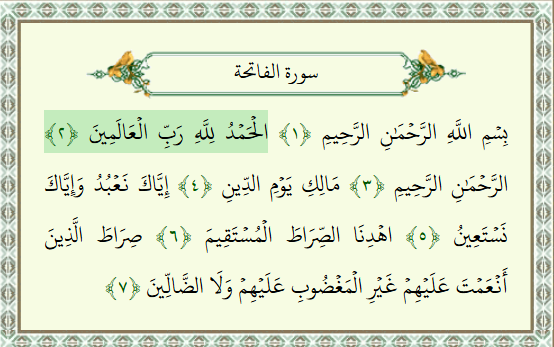
Its 7 verses are rhythmically structured, making them naturally easy to retain with correct pronunciation. We recommend learning Al-Fatiha as a standalone priority before beginning the Juz 30 sequence.
Read also: Is It Mandatory to Memorize the Quran?
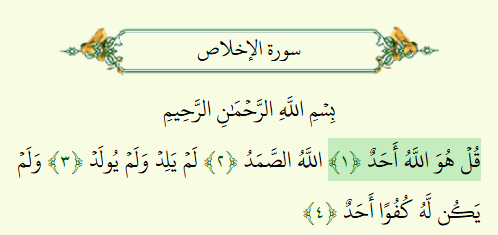
2. Surah Al-Ikhlas is The Easiest Surah to Memorize
Surah Al-Ikhlas (4 verses) is the easiest surah to memorize and the most theologically dense. The Prophet ﷺ described it as equivalent to one-third of the Quran in reward, as recorded in Sahih Bukhari 5013.
Its four short verses establish pure Tawheed — the Oneness of Allah — in the clearest possible Arabic. Most beginners memorize it correctly within one 15-minute session.
قُلْ هُوَ ٱللَّهُ أَحَدٌ
Qul huwa llāhu aḥad
“Say, He is Allah, [who is] One.” (Al-Ikhlas 112:1)
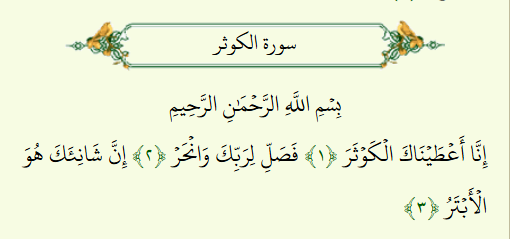
3. Surah Al-Kawthar is The Shortest Surah to Memorize
Surah Al-Kawthar (3 verses) is the shortest surah in the entire Quran. Its three verses address the Prophet ﷺ directly and carry immense spiritual weight despite their brevity.
Its brevity makes it the first surah many of our students fully memorize — often within their first dedicated session. The short vowel patterns are consistent, and the rhythm is memorable even without prior Arabic exposure.
We at Buruj Academy specifically use Al-Kawthar as a confidence-builder for students who feel uncertain about memorizing. Completing it in one sitting proves to the student, concretely, that memorization is achievable.
Excel in Your Quranic Studies
Join Buruj Academy and master the Quran with our structured, professional curriculum.
Book Your Free Trial4. Surah An-Nas and Surah Al-Falaq
Surah An-Nas (6 verses) and Surah Al-Falaq (5 verses) are known as the Mu’awwidhatayn — the two surahs of seeking refuge.
The Prophet ﷺ recommended their recitation for morning and evening protection, making them among the most practically used surahs.
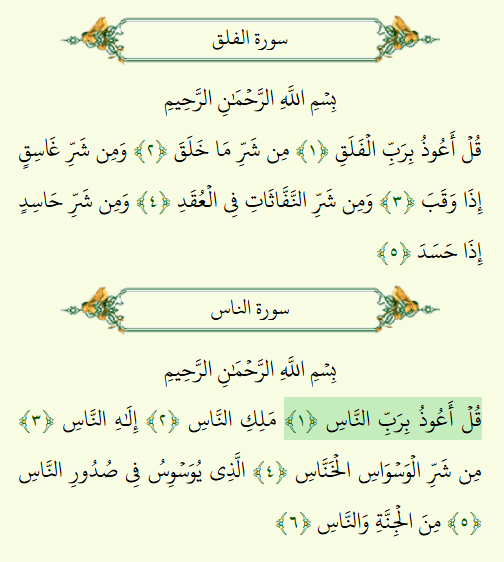
These surahs pair well together in memorization — learning one immediately reinforces the rhythm of the other. Most students at Buruj Academy memorize both within the same week.
Book a FREE trial session with one of Buruj’s Azhari Quran tutors

5. Surah Al-Asr
Surah Al-Asr (3 verses) is remarkable for its depth. Imam Al-Shafi’i reportedly stated that if people reflected only on this surah, it would suffice them — a narration widely cited in Tafsir literature.
Its three verses outline the four conditions for human success: faith, righteous deeds, enjoining truth, and enjoining patience. The verse structure is direct and the vocabulary simple, making retention straightforward for beginners.
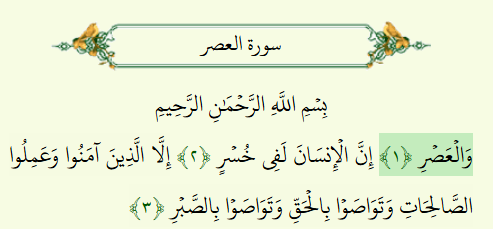
For students learning easy Tafseer in English, Al-Asr is one of the most rewarding surahs to understand alongside memorization — the meaning deepens retention significantly.
Begin Understanding Quran With a FREE Trial in
Buruj’s Tafseer Al-Quran Course

Read also: Best Time to Memorize Quran
6. Surah Al-Fil, Quraysh, and Al-Ma’un
These three surahs — Al-Fil (5 verses), Quraysh (4 verses), and Al-Ma’un (7 verses) — are thematically linked in Juz 30 and share similar rhythmic patterns. Memorizing them in sequence is highly effective.
Al-Fil recounts the story of the Companions of the Elephant.
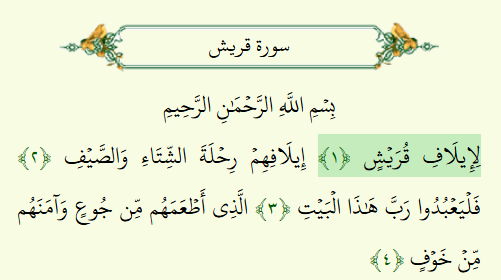
Quraysh addresses the Quraysh tribe’s blessings.
Al-Ma’un describes the characteristics of those who deny religion through neglect of the poor and prayer.
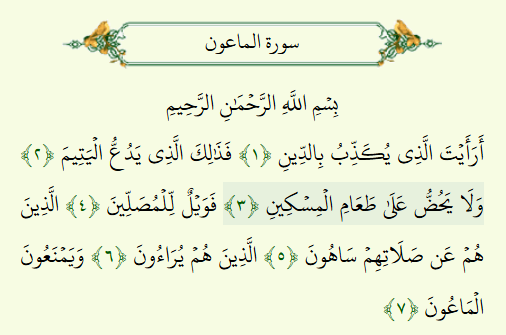
The narrative structure of these surahs makes them naturally memorable — storytelling engages memory differently than pure declaration, which is why students often retain these three faster than similarly-lengthed surahs.
| Surah | Verses | Theme | Memory Aid |
| Al-Fil | 5 | Story of Abraha’s army | Vivid narrative imagery |
| Al-Quraysh | 4 | Blessing of provision and security | Short declarative rhythm |
| Al-Ma’un | 7 | Social responsibility in worship | Paired contrasts in verses |
7. Surah Al-Humaza and Surah At-Takathur
Surah Al-Humaza (9 verses) and Surah At-Takathur (8 verses) both carry strong warning themes delivered in highly rhythmic Arabic. That rhythmic intensity makes them easier to retain aurally than their verse counts suggest.
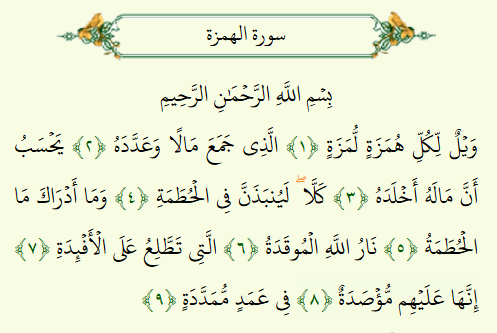
At-Takathur in particular uses the repeated phrase kallā (كَلَّا) — “no indeed” — as a structural anchor. Students who hear these surahs recited with proper Tajweed often find the sounds attach to memory naturally before deliberate memorization even begins.
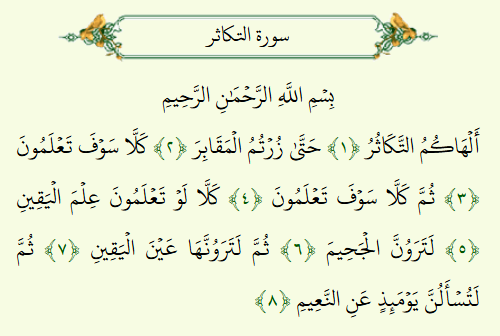
For students working on how to memorize Quran faster, pairing audio listening with active repetition for these rhythmic surahs accelerates retention significantly.
Discover the Buruj Academy Difference
Step into our virtual classrooms and see how our expert instructors make learning Quran and Arabic intuitive and clear. We focus on overcoming the specific hurdles non-native speakers face, building your confidence and connection with the Quran.
8. Surah Al-Qari’ah and Surah Az-Zalzalah
Surah Al-Qari’ah (11 verses) and Surah Az-Zalzalah (8 verses) both describe events of the Day of Judgment in vivid, concrete language. Their vocabulary is direct and their sentence structures short, supporting memorization.
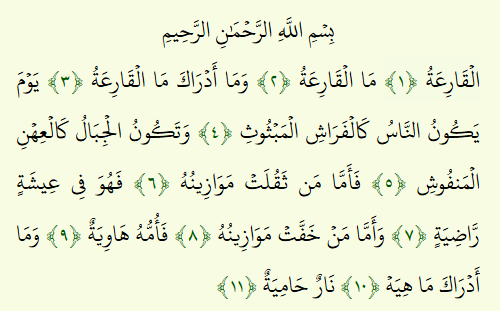
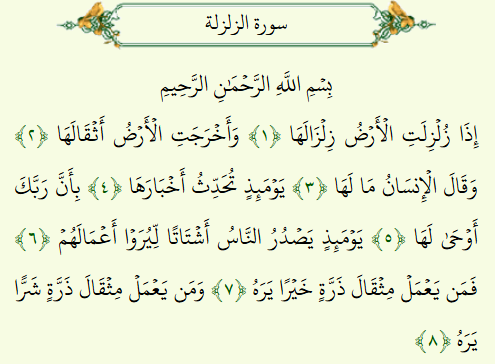
Az-Zalzalah is particularly valuable for daily reflection — its final two verses are among the most cited in Islamic ethics discourse. The surah’s 8 verses break naturally into two thematic halves, making sequential memorization straightforward.
إِذَا زُلْزِلَتِ ٱلْأَرْضُ زِلْزَالَهَا
Idhā zulzilati l-arḍu zilzālahā
“When the earth is shaken with its [final] earthquake.” (Az-Zalzalah 99:1)
Start your child’s Hifz classes for free session
9. Surah Al-Bayyinah and Surah Al-Qadr — Slightly Longer but Deeply Rewarding
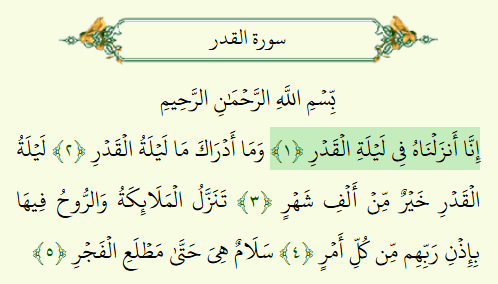
Surah Al-Bayyinah (8 verses) and Surah Al-Qadr (5 verses) step slightly upward in complexity but remain well within beginner reach.
Surah Al-Qadr — describing the Night of Power — is 5 short verses that most students memorize in a single session. Its importance in Islamic practice (especially during Ramadan) makes it a high-priority memorization target.
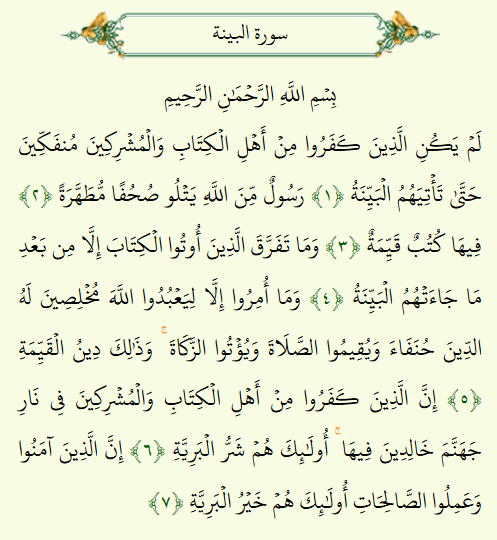
Al-Bayyinah requires slightly more effort due to its 8 verses and connected sentence structure, but its themes are accessible and its vocabulary repetitive enough to support retention.
Through Buruj Academy’s Hifz Classes for Adults, working professionals memorize surahs like Al-Qadr and Al-Bayyinah with realistic weekly targets and structured revision systems designed around busy schedules.
Book Your Free Trial Lesson with Burruj’s Hifz Course for Adults

10. Surah Al-‘Alaq, Surah At-Teen, and Surah Ash-Sharh
These three surahs represent a step up in length — Al-‘Alaq (19 verses), At-Teen (8 verses), and Ash-Sharh (8 verses) — but remain entirely manageable for students who have built confidence through earlier surahs.
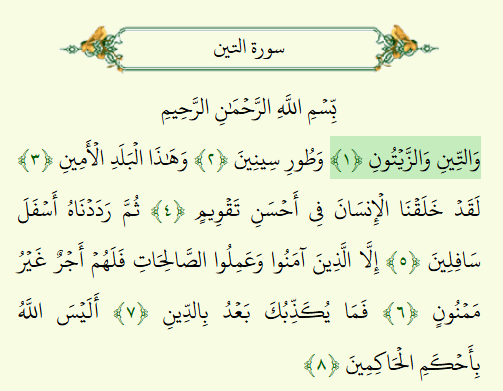
Ash-Sharh and At-Teen are particularly beloved by students for their uplifting themes and flowing rhythm. Ash-Sharh’s central promise — inna ma’al ‘usri yusrā (“Indeed, with hardship comes ease”) — is among the most memorized phrases in the Quran.
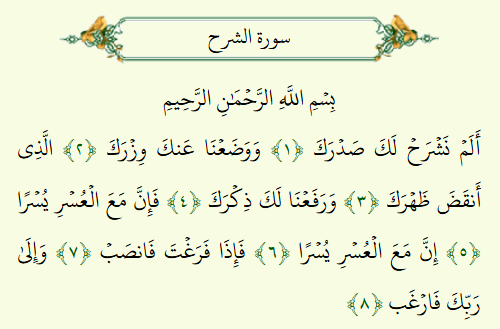
For students following a structured Quran memorization schedule, these three surahs fit naturally into the third or fourth week of a Juz 30 memorization plan.
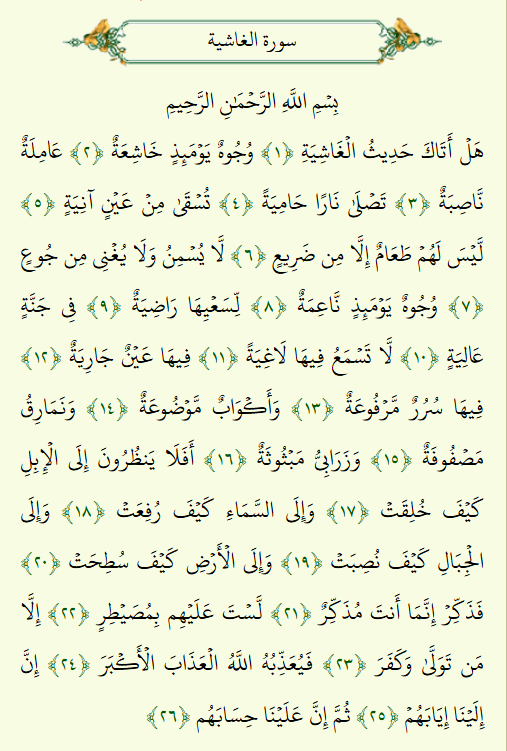
11. Surah Al-A’la and Surah Al-Ghashiyah
Surah Al-A’la (19 verses) and Surah Al-Ghashiyah (26 verses) are the longest surahs on this list. By the time students reach these, the Hifz mindset is established and daily repetition has become habitual.
Al-A’la is particularly important — the Prophet ﷺ recited it regularly in Friday prayers and Eid prayers. Knowing it gives students real, immediate usability in congregational worship.
Al-Ghashiyah’s 26 verses describe scenes of the Hereafter in paired contrasting descriptions — one for people of Hell, one for people of Paradise. That structural contrast aids memorization by creating natural mental divisions.
| Surah | Verses | Prayer Use | Priority Level |
| Al-A’la | 19 | Jumu’ah, Eid, Witr | High — Sunnah of Prophet ﷺ |
| Al-Ghashiyah | 26 | General prayer | Medium — build toward it |
| Al-‘Alaq | 19 | First revelation — historical significance | Medium-High |
What Is the Best Sequence for Memorizing These 20 Easy Surahs?
The best sequence starts with Al-Fatiha, then moves to the three-verse surahs (Al-Ikhlas, Al-Kawthar, Al-Asr), then progresses through Juz 30 in order of increasing length.
Following a logical progression matters because each completed surah builds the stamina and confidence for the next. Students who skip to longer surahs early often stall — the psychological momentum from early completions is a genuine memorization tool, not just motivation.
For students asking what is the best way to memorize Quran, sequencing by length within Juz 30 — combined with daily revision of completed surahs — is the method our instructors return to most consistently.
Recommended Memorization Sequence
- Al-Fatiha (7 verses) — immediate prayer use
- Al-Ikhlas (4 verses) — easiest entry
- Al-Kawthar (3 verses) — shortest surah
- Al-Asr (3 verses) — thematic depth in 3 verses
- Al-Nasr (3 verses) — natural pairing with Al-Asr
- Al-Falaq (5 verses) — Mu’awwidhatayn pair
- An-Nas (6 verses) — completes Mu’awwidhatayn
- Al-Quraysh (4 verses) — brief and rhythmic
- Al-Fil (5 verses) — narrative reinforcement
- Al-Ma’un (7 verses) — slightly longer, theme-linked to Al-Fil
- Al-Humaza (9 verses) — strong rhythm
- At-Takathur (8 verses) — structural repetition
- Al-Qari’ah (11 verses) — vivid imagery aids retention
- Az-Zalzalah (8 verses) — natural thematic split
- Al-Qadr (5 verses) — short, high importance
- Al-Bayyinah (8 verses) — slightly more complex
- Ash-Sharh (8 verses) — uplifting and flowing
- At-Teen (8 verses) — accessible vocabulary
- Al-‘Alaq (19 verses) — first revelation significance
- Al-A’la (19 verses) — Sunnah prayer surah
Excel in Your Quranic Studies
Join Buruj Academy and master the Quran with our structured, professional curriculum.
Book Your Free TrialEmbark on Your Journey to Becoming a Hafiz
Carry the words of the Divine in your heart and transform your life through the noble pursuit of Hifz. At Buruj Academy, we provide a structured, supportive, and highly personalized environment to help you achieve your memorization goals, whether you are starting with the final chapters or aspiring to complete the entire Quran.
Our experienced tutors employ proven techniques to ensure long-term retention (Mutqin) and spiritual growth, making the path to memorization accessible for every member of the family.
Take the first step toward this lifelong blessing by enrolling in a program tailored to your pace:
- Online Hifz Program (Comprehensive Quran Memorization)
- Juz 30 Memorization Course (Perfect for focused starts)
- Hifz Classes for Kids (Engaging and interactive)
- Hifz Classes for Adults (Flexible scheduling for busy lives)
- Hifz Classes for Sisters (Private, supportive learning)
- Short Surah Memorization Course (Ideal for daily prayers)
- Hifz Ijazah Course (For advanced students seeking certification)
Don’t let another day pass without moving closer to your goal. Join Buruj Academy today and schedule your free trial session to begin your Hifz journey!
Frequently Asked Questions About Easy Short Surahs to Memorize
What Are the Easiest Surahs to Memorize for a Complete Beginner?
The easiest surahs to memorize for a complete beginner are Al-Ikhlas (4 verses), Al-Kawthar (3 verses), and Al-Asr (3 verses). Their short length, clear rhythm, and simple vocabulary allow most beginners to achieve full memorization within one or two focused 20-minute sessions, providing immediate motivation to continue.
Which Surahs Should I Memorize First for Daily Prayer?
For daily prayer, memorize Surah Al-Fatiha first — it is recited in every rak’ah of every prayer. Then prioritize Al-Ikhlas, Al-Falaq, and An-Nas, as these are the surahs most commonly recited by Muslims in regular prayer and recommended in authentic prophetic narrations.
Is It Easy to Memorize the Quran If You Don’t Speak Arabic?
Memorizing the Quran is entirely achievable for non-Arabic speakers. In our instructors’ experience, non-Arabic speaking adults typically reach consistent retention of 3–5 short surahs within their first month of structured daily practice. Correct pronunciation guidance from a qualified teacher is the single most important factor for long-term success.
How Many Short Surahs Should I Memorize Before Starting Longer Ones?
We recommend completing at least 8–10 short surahs from Juz 30 before attempting surahs longer than 20 verses. This builds the revision habit, trains the memory for Arabic sounds, and ensures you have usable material for prayer while progressing toward longer surahs with genuine confidence.
Do I Need a Teacher to Memorize Short Surahs, or Can I Do It Alone?
Self-study is possible for short surahs, but a qualified teacher prevents Tajweed errors that compound over time. Students who memorize without correction often carry mispronunciations for years. Even for the shortest surahs, one session with a qualified instructor to verify your pronunciation protects the quality of your memorization permanently. Explore reading the Quran for the first time for foundational guidance before beginning.