 Tajweed
| Key Takeaways |
| The symbol ط (Waqf Mutlaq) in the Quran signals an absolute stop where pausing is permitted and resuming from that point is correct. |
| ط appears in some Mushafs alongside other waqf symbols like (م), (ج), (صلى), and (قلى), though not all editions include it. |
| Stopping at ط is appropriate only when the preceding meaning forms a complete or sufficiently independent unit of sense. |
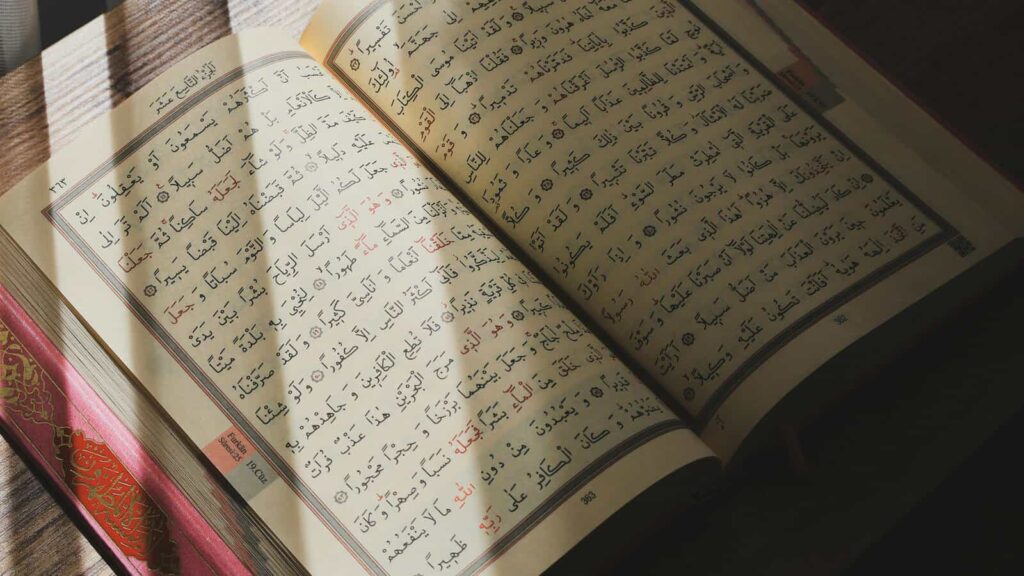
Every student who opens a Mushaf for the first time notices small symbols sitting above certain words — symbols that look nothing like the diacritical marks they were taught. Among the most misunderstood of these is the letter ط, sitting quietly above a word, giving no obvious clue about what it instructs.
The symbol ط in the Quran stands for Waqf Mutlaq — an absolute stop marker indicating that the reciter should pause here, and that resuming from the following word is both correct and natural. It appears in certain Mushafs, particularly those following scholarly waqf annotation traditions, and understanding it is part of reading the Quran as it was meant to be recited.
Table of Contents:
What Does the Symbol ط Mean in Quran Recitation?
The symbol ط in the Quran represents Waqf Mutlaq, meaning the “absolute stop.” It indicates a position in the text where stopping is fully permitted — and where, if you stop, beginning again from the next word produces a complete and correct meaning. This marker belongs to the category of waqf signs that signal either Waqf Tamm (perfect stop) or Waqf Kafi (sufficient stop), both of which allow the reciter to pause without distorting the Quranic message.
Sheikh Abd al-Aziz al-Qari, in his foundational work Qawa’id al-Tajweed ‘ala Riwayat Hafs ‘an ‘Asim ibn Abi al-Najud, defines Waqf Mutlaq (ط) precisely: it is the stop at which resuming from what follows is correct, and this only occurs at positions of Waqf Tamm or Waqf Kafi. This definition, drawn from a scholarly tradition deeply rooted in recitation science, gives us a reliable, non-speculative foundation for understanding ط.
Practically, when you see ط above a word, you are being told: the meaning here is complete enough that stopping is appropriate, and the next word begins a new — or at least independent — unit of meaning.
In our teaching experience at Buruj Academy, we find that students who learn Tajweed rules but overlook waqf science often recite technically correct letters while accidentally grouping words in ways that shift meaning. The symbols in the Mushaf — including ط — exist precisely to prevent this.
Book a FREE trial session with one of Buruj’s Azhari Quran tutors

Read also: What Does Hizb Mean in Quran?
Which Mushafs Include the ط Symbol and Which Do Not?
Not every Mushaf uses the ط symbol, and this surprises many students. The King Fahd Complex Mushaf (Madinah print), which is the most widely distributed Mushaf globally, uses a specific set of four waqf symbols: (ج), (صلى), (قلى), and the full-stop rosette (ۛ:ۛ). The ط symbol does not appear in this edition.
However, other Mushafs include an expanded set of waqf markers, among them: (ط), (م), (ز), and (ص). These are found in older or regionally distributed editions, including some Egyptian and South Asian prints.
| Waqf Symbol | Name | Found In |
| ج | Waqf Ja’iz (permissible stop) | King Fahd Mushaf + others |
| صلى | Al-Wasl Awla (continuing preferred) | King Fahd Mushaf + others |
| قلى | Al-Waqf Awla (stopping preferred) | King Fahd Mushaf + others |
| (:.:.) | Full rosette (end of section) | King Fahd Mushaf + others |
| ط | Waqf Mutlaq (absolute stop) | Other Mushafs |
| م | Waqf Lazim (mandatory stop) | Other Mushafs |
| ز | Waqf Mujawwaz (allowed stop) | Other Mushafs |
| ص | Waqf Murakhkhas (concession stop) | Other Mushafs |
Knowing which edition you are using prevents confusion — a student reading an Egyptian-print Mushaf will encounter ط regularly, while a student using the Madinah print will not.
At Buruj Academy, our Online Tajweed Classes — taught by Ijazah-certified instructors and Al-Azhar University graduates — include dedicated instruction in waqf and ibtida (stopping and starting) as part of a structured Tajweed curriculum. Students learn not just the rules but how to apply them in real recitation, including how to identify and respond to symbols like ط in their own Mushaf.
Book Your FREE Trial Lesson to Begin Your Tajweed Journey

What Is the Difference Between ط and Other Waqf Symbols?
Understanding ط requires knowing where it sits within the full waqf hierarchy. Waqf (stopping) in Tajweed science is not a single category — classical scholars divided stops into levels based on the completeness of meaning at that point.
How Does ط Compare to (م) — Waqf Lazim?
The symbol (م) indicates Waqf Lazim — a mandatory stop. Failing to pause here risks corrupting the meaning of the verse entirely. Sheikh Abd al-Aziz al-Qari and the broader Tajweed tradition are clear that ط (Waqf Mutlaq) and (م) (Waqf Lazim) are not interchangeable. At (م), stopping is an obligation; at ط, stopping is permitted and appropriate, but the text does not collapse without it.
How Does ط Compare to (ج) — Waqf Ja’iz?
The symbol (ج) marks Waqf Ja’iz — a permissible stop where both pausing and continuing are acceptable. The ط symbol, by contrast, marks a position where stopping is more clearly the appropriate choice, carrying greater authority in the scholar’s annotation. Both allow stopping; ط signals stronger suitability.
How Does ط Compare to (صلى) — Al-Wasl Awla?
The (صلى) symbol indicates that continuing is preferred — stopping is allowed but not ideal. The ط symbol is essentially the opposite priority: stopping here is the more fitting choice, and the reciter who pauses does so with full scholarly backing.
| Symbol | Name | Stopping | Continuing | Priority |
| ط | Waqf Mutlaq | ✅ Appropriate | ✅ Allowed | Stop preferred |
| م | Waqf Lazim | ✅ Mandatory | ❌ Avoid | Must stop |
| ج | Waqf Ja’iz | ✅ Allowed | ✅ Allowed | Equal |
| صلى | Wasl Awla | ⚠️ Allowed | ✅ Preferred | Continue preferred |
| قلى | Waqf Awla | ✅ Preferred | ⚠️ Allowed | Stop preferred |
This table reflects the standard scholarly framework for waqf signs as explained within the Tajweed tradition. We use a simplified version of this comparison regularly in our sessions at Buruj Academy because students who see the full spectrum at once grasp the ط symbol’s place within it far more quickly than those who study each sign in isolation.
Excel in Your Quranic Studies
Join Buruj Academy and master the Quran with our structured, professional curriculum.
Book Your Free TrialDiscover the Buruj Academy Difference
Step into our virtual classrooms and see how our expert instructors make learning Quran and Arabic intuitive and clear. We focus on overcoming the specific hurdles non-native speakers face, building your confidence and connection with the Quran.
Read also: What Does Juz Mean in Quran?
What Are Waqf Tamm and Waqf Kafi — the Two Stops ط Represents?
The ط symbol only appears, as Sheikh Abd al-Aziz al-Qari explains, at positions of Waqf Tamm or Waqf Kafi. Understanding these two categories explains why ط is called the “absolute” stop.
What Is Waqf Tamm (The Perfect Stop)?
Waqf Tamm is the perfect or complete stop. It occurs when the meaning at that point in the text is entirely independent of what follows — neither grammatically nor semantically connected to the next segment. This is considered the highest-quality stop position, and stopping here carries no risk of distorting the Quranic message. The Waqf Tamm commonly occurs at the end of a thematic unit, a response to a divine declaration, or a conclusion of a narrative sequence.
What Is Waqf Kafi (The Sufficient Stop)?
Waqf Kafi is the sufficient stop — slightly less complete than Waqf Tamm, but still strong enough that pausing here is appropriate. At a Waqf Kafi position, the meaning before the stop is grammatically complete, though the next portion may continue a related theme. Stopping here does not distort meaning, and the reciter begins again from the following word without confusion.
Both Waqf Tamm and Waqf Kafi qualify for the ط marker because in both cases, resuming from the next word is correct and natural — which is Sheikh Abd al-Aziz al-Qari’s precise definition of what Waqf Mutlaq requires.
If you want to build your understanding of waqf within a structured Tajweed framework, our guide on Tajweed rules for beginners covers the foundational concepts you will need before advancing to waqf science.
Book Your FREE Trial Lesson to Begin Your Tajweed Journey

Excel in Your Quranic Studies
Join Buruj Academy and master the Quran with our structured, professional curriculum.
Book Your Free TrialMaster Quran Tajweed with Buruj Academy’s Expert Instructors
Understanding symbols like ط is one layer of a much deeper science — and that science is best learned with a qualified teacher who can correct you in real time.
At Buruj Academy, our Online Tajweed Classes provide:
- Ijazah-certified instructors and Al-Azhar University graduates with 12+ years teaching non-Arabic speakers
- The Buruj Method: sound-before-rules, ensuring you hear correct recitation before memorizing symbols
- Personalized 1-on-1 sessions with real-time waqf correction
- Flexible 24/7 scheduling for students worldwide
- Clear progression from beginner to confident, accurate recitation
Join a supportive learning environment tailored to your pace and lifestyle. Start your journey toward excellence by enrolling in one of our specialized tracks:
- Online Tajweed Classes
- Tajweed Classes for Beginners
- Tajweed Classes for Adults
- Tajweed Classes for Sisters
- Tajweed Classes for Kids
- Advanced Tajweed Course
- Amli Tajweed Course (Practical Application)
Book your free trial lesson today and recite with the clarity and confidence your Quran recitation deserves, Insha’Allah.
Frequently Asked Questions About the ط Symbol in Quran
Is ط found in every Quran Mushaf?
No. The ط symbol does not appear in all Mushafs. The widely distributed King Fahd Complex (Madinah) Mushaf uses a different set of four waqf symbols and does not include ط. Other editions — particularly some Egyptian and older prints — do include ط alongside additional markers like (م), (ز), and (ص). Always check which edition you are using.
Does ط mean you must stop, or is it optional?
The ط symbol indicates a permitted and appropriate stop — not a mandatory one. You may choose to continue reciting without stopping at ط, and your recitation remains valid. However, if you do stop here, you are stopping at a position scholars have identified as fully appropriate, where resuming from the next word is correct.
What is the difference between ط and م in the Quran?
The (م) symbol marks Waqf Lazim — a mandatory stop where failing to pause risks distorting the meaning. The (ط) symbol marks Waqf Mutlaq — a fully appropriate stop, but not obligatory. Passing ط without stopping does not damage meaning the way passing م can.
Who defined the ط symbol in classical Tajweed scholarship?
The waqf annotation system, including symbols like ط, developed through generations of Quranic scholars who studied where the Prophet ﷺ paused in recitation and where pausing preserves meaning correctly.
How do I learn to read all the waqf symbols correctly?
The most reliable approach is structured Tajweed study with a qualified instructor who can identify your specific Mushaf edition, explain the waqf system used in it, and correct your stopping and starting in real recitation practice. Our guide on how long it takes to learn Tajweed gives you a realistic timeline and learning pathway to follow.
Related Articles
Tajweed