 Quran
Quran
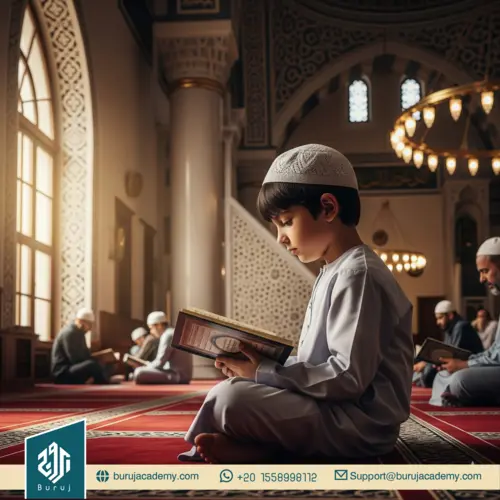
Reading the Quran for the first time is a profound and transformative experience. For many Muslims and those interested in Islam, approaching the Quran can evoke a mix of emotions—excitement, curiosity, reverence, and sometimes apprehension.
The Quran is not just any book; it is the holy scripture of Islam, believed to be the literal word of God (Allah) revealed to the Prophet Muhammad (peace be upon him) over 1,400 years ago.
Approaching it with an open heart and a basic understanding of its structure can make the journey more meaningful. This guide offers a few essential tips to help you begin your exploration of Islam’s holy book.
Understanding the Quran
Before diving into how to read the Quran, it’s important to understand what makes it unique. Muslims consider the Quran the ultimate source of guidance, law, and spirituality. It covers various aspects of life—moral, legal, historical, and theological—and offers divine wisdom that remains relevant across centuries.
The Quran is written in classical Arabic, a language known for its rich beauty and eloquence. This can present a challenge to beginners, especially non-Arabic speakers, who may not be familiar with the language’s structure or vocabulary. However, with the right approach, anyone can begin to connect with the Quran’s message.
Emotional and Spiritual Aspects of Reading the Quran for the First Time
For many, the first time reading the Quran is a spiritual milestone. It may be accompanied by feelings of awe and a deep sense of connection to the divine. Many experience a sense of peace and reflection as they read its verses.
It’s normal to feel overwhelmed or unsure about how to start. The text can seem complex or intimidating, but the key is to approach it with respect, patience, and an open heart.
Proper Preparation Before You Begin Reading the Quran for the First Time
Before touching the Quran, understanding what this act represents spiritually and practically sets the right foundation. Reading the Quran is an act of worship, and approaching it with intention — niyyah — changes everything about how you learn.
Physical preparation matters too. Ensure you are in a state of wudhu (ritual purity) before handling the Mushaf. Find a clean, quiet space, hold the Quran with respect, and position yourself attentively. These habits, established from day one, become lifelong practice.
Buruj Academy’s Online Quran Classes for Beginners provide step-by-step guidance on exactly this preparation phase, ensuring students build proper reverence alongside technical reading skills from their very first lesson.
Begin Learning Quran With a FREE Trial Lesson
Understanding the Quran’s Structure
The Quran isn’t a single narrative like a novel. Instead, it’s a collection of 114 chapters, or Surahs, of varying lengths. These chapters aren’t arranged chronologically or thematically but by a general rule of decreasing length, with the longest Surahs at the beginning and the shortest at the end. The exception is the very first chapter, Al-Fatihah (The Opening), which serves as a powerful introduction and a prayer.
You’ll also notice that the text is divided into parts (Juz’). There are 30 parts in total, making it convenient to read the entire Quran over a month, particularly during the fasting month of Ramadan. Knowing this structure can help you navigate the text and find specific sections.
1. Before You Begin: The Bismillah
Before starting any Surah (except for one), you will encounter the phrase
“Bismillah Ar-Rahman Ar-Rahim,”
which translates to
“In the name of God, the Most Gracious, the Most Merciful.”
This isn’t just a formality. It’s an invocation, a reminder to the reader to begin their journey with a sense of purpose and to seek guidance from a higher power. It sets a reverent tone and centers the reader’s mind on the divine source of the words they are about to read.
2. Reading and Interpretation
As a first-time reader, it’s important to choose a good translation. The original Quran is in Arabic, and while translations can’t perfectly capture the linguistic beauty and nuance, a good one will convey the meaning accurately. Look for translations that also include footnotes or commentary (Tafsir).
These can be invaluable for explaining the context of a verse, the historical events it refers to, and the different interpretations scholars have offered over the centuries. A verse like,
“And do not kill the soul which Allah has made sacred,”
becomes much clearer when you understand the broader legal and ethical framework it’s part of.
You don’t have to read from cover to cover. Many readers start with the short, powerful Surahs at the end of the Quran, like Surah Al-Ikhlas or Surah An-Nas, which are easier to understand and memorize. Others prefer to read specific stories, such as the stories of the prophets, including Adam, Noah, Abraham, Moses, and Jesus, who are all revered figures in Islam.
Begin Understanding Quran With a FREE Trial in Buruj’s Tafseer Al-Quran Course
3. The Quran’s Key Themes
As you read, you’ll begin to notice recurring themes. The Quran repeatedly emphasizes God’s Oneness (Tawhid) and His compassion and mercy. It calls for justice, compassion, and charity towards others. It provides guidance on personal conduct, family life, and community relations.
The Quran also contains powerful stories and parables that serve as moral lessons and reminders of the consequences of one’s actions. It speaks directly to humanity, encouraging reflection and a deeper connection to the divine.
Discover the Buruj Academy Difference
Step into our virtual classrooms and see how our expert instructors make learning Quran and Arabic intuitive and clear. We focus on overcoming the specific hurdles non-native speakers face, building your confidence and connection with the Quran.
How To Prepare Yourself Before Reading the Quran
Approaching the Quran with the right mindset and physical readiness enhances your spiritual experience and deepens your understanding. Before you dive into the verses, follow these essential steps to ensure you are fully present and respectful of the divine word.
1. Purify Yourself:
Muslims often perform ablution (wudu) before touching or reading the Quran, showing respect for the sacred text.
2. Find A Quiet Place:
Choose a clean, quiet, and comfortable spot where you won’t be disturbed, allowing you to focus fully.
3. Set The Intention (Niyyah):
Make a sincere intention to read the Quran for gaining knowledge, spiritual growth, or connecting with God.
Practical Steps for Reading the Quran for Beginners
Embarking on a journey with the Quran can feel overwhelming at first, but breaking it down into manageable actions makes the process deeply rewarding. These practical steps are designed to help beginners build a consistent and meaningful connection with the holy text.
1. Start Small and Simple:
Begin with shorter chapters like Surah Al-Fatiha (The Opening) or Surah Al-Ikhlas (The Purity), which are easier to memorize and understand.
Al-Fatihah is recited in every unit of every prayer — meaning a Muslim who masters it recites it seventeen times daily. Starting here is strategically sound and spiritually significant.
Al-Fatihah contains seven ayat and introduces several foundational phonetic challenges: the lam in the word Allah (which thickens after fathah and dhammah), the heavy saad in sirat, and the guttural ‘ayn in na’budu. Mastering these in seven short ayat provides a phonetic foundation transferable to the entire Quran.
Buruj Academy’s Quran Reading Course focuses specifically on building reading fluency and accuracy, progressing from hesitant letter-by-letter reading to smooth, confident recitation using real-time instructor correction.
Book your Free trial lesson and start reading the Quran
2. Use an Authentic Translation:
If you don’t read Arabic, it’s essential to have a reliable translation in your language. This helps in grasping the meaning and context of the verses.
3. Listen to Recitations:
Listening to the Quran being recited by skilled Qaris (reciters) can enhance understanding and appreciation. It also helps with correct pronunciation and rhythm, especially when you start to read Arabic.
Read Also: Ijazah Meaning in Quran?
Learning Quranic Arabic and Tajweed
Since the Quran is in Arabic, learning some basic Quranic Arabic grammar and vocabulary can significantly improve your reading experience. Tajweed—rules of Quranic recitation—is another essential skill that governs how each letter and word should be pronounced.
Beginners are advised to study Tajweed with a qualified teacher or through reputable online courses. This helps avoid common mistakes and ensures that the Quran is read as it was revealed.
Read Also: Improve Quran Recitation by Audio
Overcoming Common Challenges
While the journey of learning and reflection is rewarding, it often comes with specific hurdles that can hinder progress. Understanding these obstacles is the first step toward developing effective strategies to navigate them successfully.
1. Language Barrier:
Non-Arabic speakers might find the original text difficult. Using parallel translations and commentaries can aid comprehension.
2. Pronunciation:
Arabic letters have sounds not found in many other languages. Patience and practice are key to mastering these.
3. Consistency:
It’s easy to lose motivation if progress feels slow. Setting daily reading goals—even as little as a few verses a day—helps establish a habit.
Read Also: How to Read Quran Without Mistakes?
Why Reading the Quran is a Lifelong Journey
Reading the Quran for the first time is only the start of a lifelong journey of reflection, study, and spiritual growth. Each reading reveals deeper layers of meaning. Many Muslims revisit chapters repeatedly over the years to gain new insights and strengthen their faith.
Read Also: Free Online Quran Classes
Helpful Resources for First-Time Readers
Quran Apps: Various apps offer easy access to the Quran text alongside translations and audio recitations.
Online Classes: Enrolling in Quran reading and Tajweed courses online can provide structure and expert guidance.
Study Groups: Joining a Quran study group, either locally or online, provides support and shared learning.
Read Also: Group Quran Classes Online – Learn, Connect, and Grow with Buruj Academy
Connect with Our Community
High-value education extends beyond the classroom. We provide free resources and a supportive community to help you on your journey. For free tips, student stories, and academy updates, follow us on Facebook, watch our educational lessons on YouTube, and join the conversation on Instagram.
Start Learning the Quran Today
Join our qualified teachers and begin your journey in Quran recitation, Tajweed, and understanding — from the comfort of your home.
Book Your Free TrialRead Also: How To Find A Good Quran Teacher
Start Your Quran Reading with Buruj Academy’s Expert Instructors Today
Reading the Quran correctly from the very beginning is the best investment a Muslim can make in their recitation. Buruj Academy provides structured, expert-guided Quran reading instruction for complete beginners worldwide.
- Ijazah-certified instructors and Al-Azhar University graduates with 12+ years teaching non-Arabic speakers
- The Buruj Method: sound-before-rules for correct pronunciation from lesson one
- Personalized Learning Plans tailored to your current level, age, and schedule
- Flexible 1-on-1 online sessions with 24/7 scheduling availability
- Real-time recitation correction — errors caught before they become habits
- Proven progression from first Arabic letter to confident Quran reading
Book your free trial lesson today and start reading the Quran the right way, guided by instructors who genuinely care about your progress.
See which of Burooj’s courses aligns with your learning path:
- Tajweed Classes
- Tafseer Al-Quran Course
- Quran Recitation Course
- Hifz Course (Quran Memorization)
- Quranic Arabic Classes
- Noorani Qaida course
- Islamic Studies
Conclusion: Embrace the Journey with Patience and Faith
Reading the Quran for the first time is an enriching, sacred experience that opens doors to spiritual wisdom and personal growth. Approach it with humility, sincerity, and patience. Whether you read a few verses or a whole chapter, the effort you invest will bear fruit in understanding, peace, and a closer connection to the Divine.
Remember, the Quran invites reflection and contemplation. It speaks to the heart and mind alike, guiding believers through life’s challenges with divine wisdom.
If you interested in learning how to read the Quran properly, including mastering Tajweed and Arabic grammar, consider seeking qualified tutors or engaging with online courses for beginners. The more effort and care you put into this first step, the more you will benefit from the Quran’s timeless guidance.



Leave a Reply