 Arabic

My Recitation Was ‘Flat.’ Here’s How I Found My Voice (And My Confidence).
For years, my Quran recitation felt flat, lacking the emotion and beauty I heard in many renowned Qaris. Like many, I initially believed that the secret to a beautiful Quran recitation was simply having a naturally gifted voice. However, this general desire to “beautify” my voice without knowing how to improve Quran recitation and apply proper techniques left me frustrated and discouraged. If you feel the same, you are not alone. The good news is that improving Quran recitation is achievable through methodical practice, learning Tajweed rules, and developing confidence in your own unique style.
Many beginners struggle with the misconception that only those with naturally beautiful voices can recite the Quran well. The desire to sound melodious often turns into an obsession that overlooks the real foundation: correct pronunciation, fear of Allah, and understanding the meaning behind the words. It’s not just about sound but the spiritual connection reflected in your recitation.
Free Trial Session Contact Us
Step 1: Learn and Master Tajweed To improve Quran recitation
Tajweed—the correct articulation of Quranic letters and application of rules—is the cornerstone of beautiful and accurate recitation. Without Tajweed, the voice will not only sound flat but is prone to errors that affect the meaning of the words. Learning Tajweed through classes, reliable books, or trusted online resources helps improve pronunciation, clarity, and rhythm.
Step 2: Practice with Intonation and Tarteel
Reciting with Tarteel—the rhythm and melody within the recitation—enhances both beauty and understanding. Listening closely to skilled Qaris teaches you how to use pitch, pauses, and proper breath control. While many aim for voice “beautification,” focusing instead on Tarteel ensures that your recitation is spiritually uplifting and precise.
Step 3: Develop Regular Practice Habits to Improve Quran recitation
Consistent daily practice is essential. Dedicate time after each prayer or at a scheduled daily time to read the Quran aloud. Record yourself, listen back, and compare with expert reciters to identify areas of improvement. The more you practice, the more your vocal cords adapt, and your confidence builds. This process transforms flat recitations into personalized, heartfelt expressions.
Step 4: Avoid Over-Embellishing the Voice
It’s tempting to imitate overly dramatic recitations or use Auto-Tune-like effects, but these can harm clarity and distract from the Quran’s message. Instead, aim for natural, clear articulation and a steady tone. Choosing straightforward recitations to mimic helps you learn foundational techniques before developing your own style.
Step 5: Seek Feedback and Learn from Experts
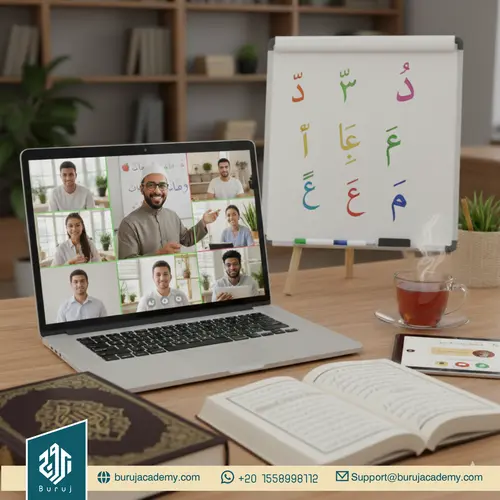
Joining study circles or Quran academies offers valuable feedback from qualified teachers. They help identify mistakes and guide you through complex Tajweed rules. Listening to a variety of renowned Qaris broadens your understanding and appreciation of different styles that suit different voices.
Detailed Techniques to Elevate Your Recitation
Expand Your Tajweed Knowledge to Improve Quran recitation
While basic Tajweed is essential, advancing your knowledge by learning subtler rules such as Ikhfaa (hiding sounds), Idgham (merging letters), and Qalqalah (echoing sound) can greatly beautify your recitation. These advanced rules add layers of musicality without compromising clarity or meaning. Many online platforms and qualified teachers offer specialized courses focusing on these intricate rules.
Embrace Breath Control and Proper Pausing
Proper breath control is often overlooked but critical in Quran recitation. Learning where to pause naturally—especially where the Quran indicates stops (Waqf)—preserves the flow and helps maintain your voice’s strength and steadiness. Training your lungs and practicing breathing exercises not only improve stamina but also add calmness and assurance to your delivery.
Record and Shadow Expert Reciters
A powerful method to improve is “audio shadowing.” Listen carefully to a short verse repeated several times by a famous Qari, then immediately recite it yourself, mimicking tone, speed, and pronunciation. Record your recitation and compare it to identify areas for improvement. This active listening method entrenches the melody and correct articulation deeply into your habits.
Make Recitation a Spiritual Practice
Remember, the beauty of Quran recitation is intrinsically linked to sincerity, mindfulness, and connection to the divine. Reciting with understanding and heartfelt intention elevates the voice naturally. Reflecting on meanings while practicing helps fuse technical skills with emotional depth, transforming recitation into an act of worship rather than a mere performance.
Check out Buruj Academy’s Quran courses today!
Finding Your Voice and Confidence As you Improve Quran Recitation
As I progressed through these steps, my recitation transformed from flat and uncertain to confident and inspiring. I stopped chasing an unattainable perfect voice and instead focused on accuracy, emotion, and connection with the Quranic message. Finding my voice was as much about building spiritual confidence as it was about vocal technique.
Improving your Quran recitation is a fulfilling journey blending technique, spirituality, and discipline. Whether you are a beginner or looking to refine your skills, the steps highlighted will bring you closer to the joyful experience of heartfelt, beautiful recitation.
Stay consistent, be patient, and embrace your unique voice. The Quran’s beauty lies not just in sound but in the connection it fosters with Allah. Start your journey now and watch how your recitation and confidence flourish.



Leave a Reply