 Islamic
Ramadan carries a depth that young children can genuinely feel — the excitement of the crescent moon, the warmth of iftar, the quiet of early mornings. Yet without the right resources, many parents struggle to share that feeling with their kids in a way that sticks.
Choosing the right ramadan books for kids means finding stories that spark genuine connection, not just information delivery. This guide covers seven real, widely loved books — verified by age range and theme — so you can match every child in your home to exactly the right read this Ramadan.
1. Ramadan Moon Is One of the Most Beloved Ramadan Books for Kids of All Ages
Ramadan Moon follows the journey of the crescent moon from the first sighting of Ramadan right through to Eid, seen through the eyes of a young child. Na’ima B. Robert’s lyrical, poetic text mirrors the gentle rhythm of the month itself.
The illustrations, inspired by Iranian art, are vivid and atmospheric. Children aged 4–8 respond especially strongly to the moon imagery, which makes an excellent conversation starter about why Muslims watch for the crescent each year.
After reading, step outside together on a clear night and look for the moon. Ask your child: “What do you think the moon sees when it looks at our house during Ramadan?” This simple question sparks wonderful conversations for ages 5 and up.
Buruj Academy’s Islamic Studies Classes for Kids use similarly story-driven methods to connect children to Islamic practices — our instructors introduce Ramadan concepts through narratives children find personally meaningful rather than through dry explanations.
The first session is free in our Islamic Studies for Kids
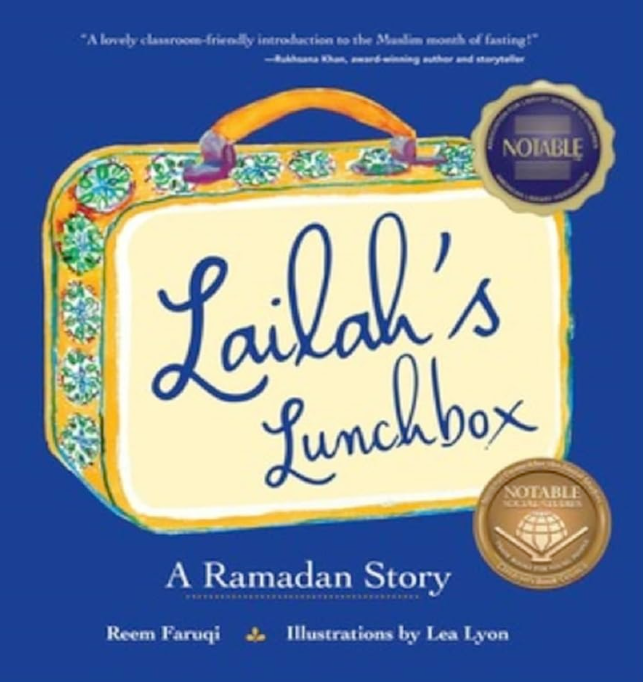
2. Lailah’s Lunchbox Helps Kids Understand Fasting Through a Ramadan Story They Can Relate To
Lailah has just moved to a new country and is fasting for the first time — but she worries her classmates won’t understand why she skips lunch. A kind librarian helps her find a way to explain her fast without feeling different or ashamed.
This book addresses one of the most common real-world challenges Muslim children face: navigating Ramadan in non-Muslim school environments. Children aged 6–10 see their own feelings reflected in Lailah’s story, which makes the book unusually powerful.
Here is a quick look at what makes this book particularly effective for different age groups:
| Age Group | How the Book Connects | Talking Point for Parents |
| Ages 6–7 | Identifies with Lailah feeling new and different | “Have you ever felt nervous to explain something about us?” |
| Ages 8–10 | Understands the social pressure around fasting | “How would you explain your fast to a friend?” |
Read this book a week before Ramadan begins. Then role-play with your child — let them practice in safe words how they would explain fasting to a classmate. It builds confidence before the school day arrives.
3. My First Ramadan Is the Perfect First Ramadan Book for Very Young Kids
My First Ramadan follows a young boy fasting for the first time, experiencing suhoor, evening iftar, and family prayer. Karen Katz uses simple, familiar language and warm illustrations that feel immediately accessible to children who are just learning what Ramadan means.
The book covers the core pillars of Ramadan — fasting, charity, prayer, and community — without overwhelming young readers with detail. Children aged 3–6 absorb these concepts naturally through the relatable main character’s daily routine.
For ages 3–5, read this book at suhoor or just before iftar. Connecting the book’s scenes to the actual moments your child is living makes the story feel real and personally meaningful, not just a picture in a book.
At Buruj Academy, our Online Islamic Studies Classes for young children follow the same principle: introduce Ramadan through familiar, child-sized moments rather than abstract rules, using short 20–25 minute sessions that match how young children actually learn.
Discover the Buruj Academy Difference
Step into our virtual classrooms and see how our expert instructors make learning Quran and Arabic intuitive and clear. We focus on overcoming the specific hurdles non-native speakers face, building your confidence and connection with the Quran.
The first session is free in our Islamic Studies for Kids

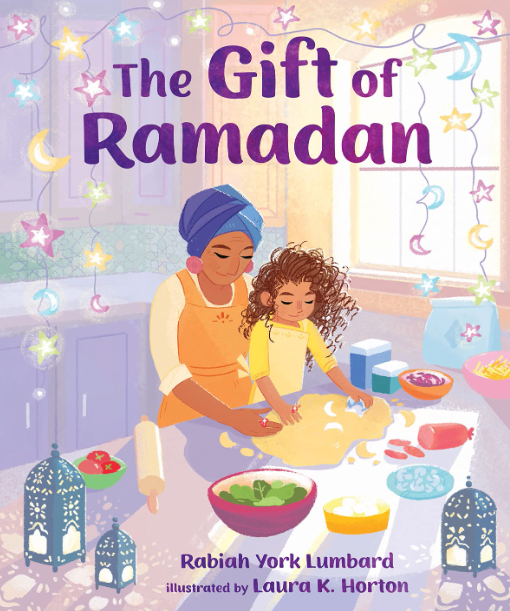
4. The Gift of Ramadan Teaches Kids the True Meaning of Giving During Ramadan
Sophia wants to fast for Ramadan, but when her attempt doesn’t go as planned, her grandmother helps her discover that Ramadan is about more than just not eating. It is about generosity, reflection, and finding your own way to participate meaningfully.
The multigenerational relationship between Sophia and her grandmother is the heart of this book. Children aged 4–8 find it reassuring that Ramadan participation looks different for everyone — a message many young children genuinely need to hear.
After reading, ask your child: “What is one kind thing you could do for someone this Ramadan?” Write it down together and place it somewhere visible. Revisiting it throughout the month reinforces the book’s message with real action.
5. A Party in Ramadan Helps School-Age Kids Navigate Fasting Challenges During Ramadan
Leena is too young to fast every day, so she decides to fast on Fridays instead — until a birthday party invitation creates an unexpected dilemma. This honest, relatable story explores the real tension children feel between their faith practices and their social lives.
Dr. Asma Mobin-Uddin brings both medical and Islamic knowledge to her writing, and it shows. The story never lectures; it simply presents a real situation that children aged 7–9 will immediately recognize from their own experiences.
Use this book to open a real conversation: “If you were Leena, what would you do?” Let your child work through the dilemma out loud. This kind of guided moral thinking builds Islamic character far more effectively than simply telling children the right answer.
6. Curious George and the Ramadan Moon Is a Fun Ramadan Book for Younger Kids
Curious George joins his friend Kareem’s family to celebrate the first night of Ramadan — experiencing the excitement of moon sighting, special foods, and the spirit of the month through the lens of everyone’s favorite curious monkey.
Using a beloved character to introduce Ramadan is genuinely effective for ages 2–6. Children who already love George arrive with warm feelings toward the book, making them receptive to the Ramadan concepts woven throughout the story.
For ages 2–4, focus on just two or three pages per sitting. Point to the crescent moon illustration and say: “That’s how we know Ramadan is starting — we look for that moon!” Short, focused moments build understanding gradually and joyfully.
Read Also: Ramadan for Kids
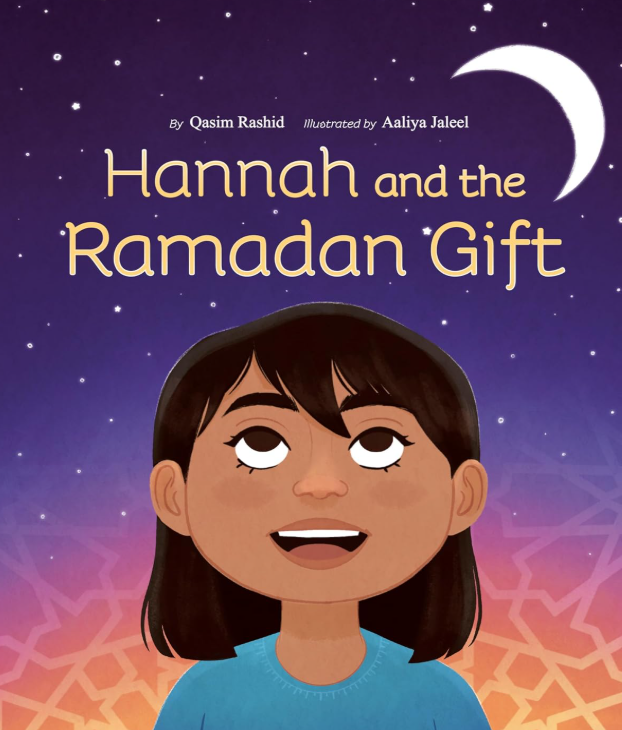
7. Hannah and the Ramadan Gift Teaches Kids That Good Deeds Are the Heart of Ramadan
Hannah is too young to fast but desperately wants to participate in Ramadan in a meaningful way. Her grandfather’s answer — “save the world through small good deeds” — becomes the guiding thread of a warm, action-oriented story about generosity and kindness.
Aaliya Jaleel’s illustrations are diverse, joyful, and full of movement. Children aged 3–7 respond strongly to Hannah’s determination, and the message that every child can participate in Ramadan — regardless of age — is both practically useful and emotionally reassuring for Muslim families.
After reading, create a “Good Deeds Jar” together. Each time your child does a kind act during Ramadan, they add a slip of paper to the jar. Count the slips at Eid — children love seeing the tangible evidence of their own generosity. Masha’Allah, what a meaningful Eid tradition this becomes.
Read Also: Ramadan Facts for Kids
Deepen Your Islamic Knowledge
Study Aqeedah, Fiqh, Seerah, and essential Islamic teachings with experienced instructors in a structured online program.
Try Islamic StudiesRead Also: How to Pray for Kids in Islam?
Give Your Child a Meaningful Ramadan with Buruj Academy’s Islamic Studies Classes for Kids
Ramadan books plant beautiful seeds, but consistent Islamic education helps children grow genuine understanding of the month and its values throughout the year.
- Instructors are Al-Azhar graduates with 12+ years teaching children from non-Arabic speaking families
- Age-appropriate curriculum for kids aged 4–15, covering Ramadan, Quran, and Islamic values
- Stories, games, and interactive activities — not dry lectures
- Short lessons of 20–30 minutes matching children’s natural attention spans
- Patient, encouraging teachers who build confidence, not pressure
Book a free trial lesson for your child at Buruj Academy through our Islamic Studies Classes for Kids today.
Find your child’s perfect match among Buruj’s top courses for kids:
- Arabic Classes for Kids
- Alphabet course
- Noorani Qaida Course for Kids
- Quranic Arabic Course
- Islamic Studies for Kids
- Hifz Classes for Kids
- Quran Classes for Kids
- Tajweed for Kids
Get a free trial for your child today.
Conclusion
Ramadan books for kids work best when they spark real conversations — a good story about fasting opens a door that a direct explanation often cannot. Matching the right book to your child’s age makes that door even wider.
Toddlers thrive with simple, visual board books like My First Ramadan and Curious George, while school-age children connect deeply with relatable dilemmas in books like Lailah’s Lunchbox and A Party in Ramadan. Age-appropriate reading truly matters.
Reading together for even ten minutes during Ramadan — before iftar, after suhoor, or at bedtime — builds a family tradition children carry into adulthood. Insha’Allah, these books become part of how your family welcomes this blessed month every year.


Leave a Reply