 Quran
Quran
| Key Takeaways |
| The story of Habil and Qabil appears in Surah Al-Ma’idah (5:27–31), making it one of the Quran’s earliest human moral narratives. |
| Qabil killed Habil out of jealousy after Allah accepted Habil’s sincere offering but rejected Qabil’s insincere one. |
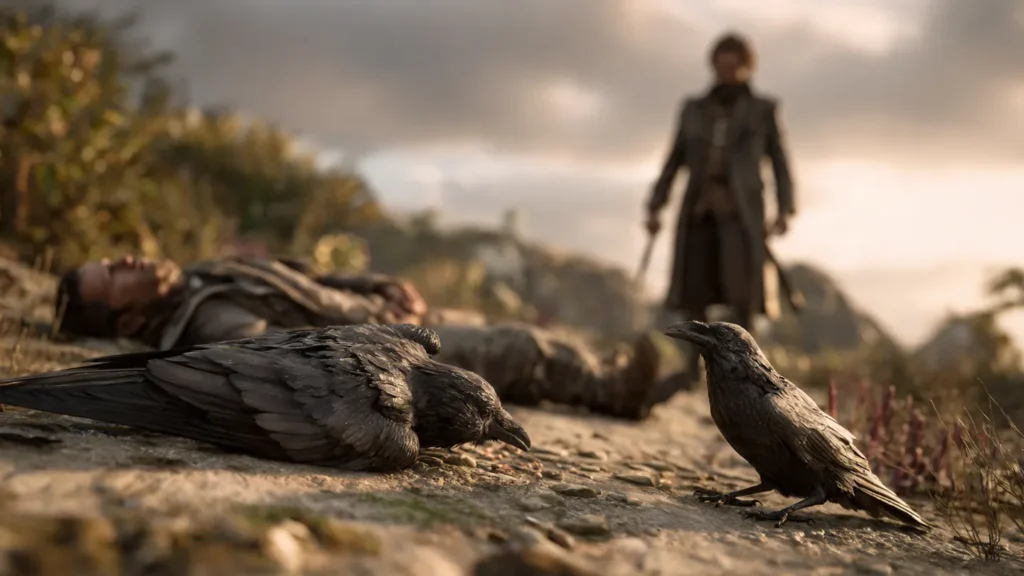
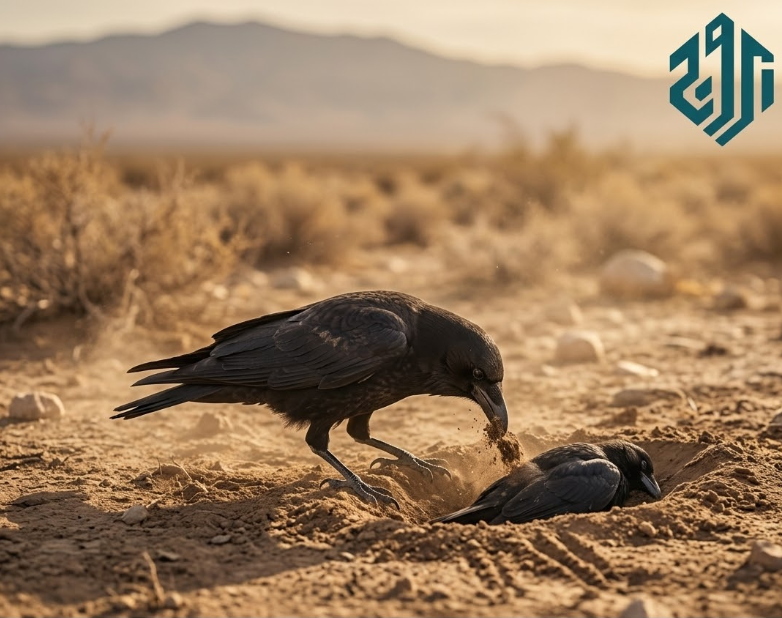
| A crow sent by Allah taught Qabil how to bury his brother, showing that even a bird can be a teacher of mercy. |
| This story teaches children that sincerity in worship matters more than what we offer, and that jealousy destroys the one who holds it. |
| The Quran uses this story to establish the sanctity of human life — harming one person unjustly is like harming all of humanity. |
Every parent knows that moment — a child asks, “Why do people hurt each other?” The story of Habeel and Qabeel gives us the Quran’s own answer, told with vivid, unforgettable detail.
Found in Surah Al-Ma’idah (5:27–31), the story of Habil and Qabil is the Quran’s first account of human conflict, jealousy, and consequence. It is a story that children can feel deeply — and one that parents can narrate with warmth, honesty, and lasting moral impact.
Who Were Habeel and Qabeel?
Habil and Qabil were the two sons of Prophet Adam (peace be upon him) and his wife Hawwa (Eve). They were among the first human beings ever born on earth — which means they were growing up in a world with no roads, no cities, no schools, and no other families nearby.
Imagine that for a moment. Just open sky, green earth, their parents’ voices, and the quiet command of Allah guiding their lives.
Qabil (Cain) was the older brother. He worked the land — tending crops, planting seeds, watching things grow.
Habil (Abel) was the younger brother. He was a shepherd, caring for animals with gentle hands and a quiet heart.
They were brothers who shared the same home, the same parents, and the same faith. But as they grew older, something different began to grow inside Qabil — a seed far more dangerous than any he planted in the ground.
For families looking to build a foundation of Islamic understanding alongside these stories, Buruj Academy’s Islamic Studies Classes for Kids offer structured, age-appropriate learning led by Al-Azhar University graduates who bring stories like this one to life with authenticity and warmth.
The first session is free in Buruj’s Islamic Studies Classes for Kids
What Offering Did Each Brother Make to Allah?
One day, Allah commanded both brothers to offer a sacrifice — a gift presented sincerely to please Him. This was a test, as all of life’s moments are tests, and how a person gives reveals everything about who they truly are.
Habil chose carefully. He looked through his flock and picked the finest, healthiest animal he owned — the one he loved most. He gave his best, holding nothing back, his heart open and his intention pure.
Qabil did the opposite. He walked through his harvest and gathered the lowest-quality grain — the leftovers, the parts he didn’t want anyway. He brought what cost him nothing.
Allah accepted Habil’s offering. He did not accept Qabil’s.
The Quran tells us clearly:
وَٱتْلُ عَلَيْهِمْ نَبَأَ ٱبْنَىْ ءَادَمَ بِٱلْحَقِّ إِذْ قَرَّبَا قُرْبَانًا فَتُقُبِّلَ مِن أَحَدِهِمَا وَلَمْ يُتَقَبَّلْ مِنَ ٱلْـَٔاخَرِ
Watlu ‘alayhim naba-abnayi Adama bilhaqq, idh qarraba qurbanan fatabubbila min ahadihima walam yutaqabbal minal-akhar
“And recite to them the story of Adam’s two sons, in truth, when they both offered a sacrifice, and it was accepted from one of them but was not accepted from the other.” (Al-Ma’idah 5:27)
This is the moment the story truly begins — not with a crime, but with a choice.
Discover the Buruj Academy Difference
Step into our virtual classrooms and see how our expert instructors make learning Quran and Arabic intuitive and clear. We focus on overcoming the specific hurdles non-native speakers face, building your confidence and connection with the Quran.
Read also: Story of Ayyub in the Quran for Kids
Why Did Qabil Want to Kill His Brother?
When Qabil saw that his offering was rejected and his brother’s was accepted, something dark woke up inside him. He felt it burn — a mixture of shame, resentment, and envy that he did not try to fight.
He turned to Habil and said the cruelest words a brother could say: “I will surely kill you.”
Now pause here when you tell this to your child. Ask them: Was it Habil’s fault that his offering was accepted? No. Habil had done nothing wrong. He had simply been sincere.
Habil’s response, however, is one of the most remarkable moments in the entire story. He did not threaten back. He did not raise his fists. With calm, quiet dignity, he said:
“If you raise your hand to kill me, I will not raise my hand to kill you. I fear Allah, the Lord of all the worlds.”
He also said something profound — that Qabil would carry the weight of both sins if he went through with it. Habil understood something his older brother could not see: that protecting your own soul is worth more than winning any argument.
In our classes at Buruj Academy, when we share this moment with children, we ask them: “Which brother was actually stronger?” The answer, every time, surprises them — and stays with them.
Book Your Kid a Free Trial Lesson With One of Buruj’s Quran Tutors for Children

Read also: Luqman Story in Quran for Kids
What Happened When Qabil Killed Habil?
Qabil did not listen to his brother’s wise words. He let the jealousy win. And he committed the first act of murder in human history.
The Quran does not describe the moment with detail. What it describes instead is what came after — because that is where the real lesson lives.
Qabil stood over his brother’s body, and suddenly, the weight of what he had done crashed down on him. He did not know what to do. No one had ever died before in his world. He had never seen a burial. He didn’t know that the earth could hold what he had lost.
He was filled with regret — but it was too late.
Excel in Your Quranic Studies
Join Buruj Academy and master the Quran with our structured, professional curriculum.
Book Your Free TrialHow Did a Crow Teach Qabil What to Do?
Allah sent a crow. Just a bird — black-feathered, ordinary, scratching at the ground. And this crow began to dig. It pushed the earth aside with its beak and its feet, made a small hollow, and buried something in the ground.
Qabil watched the crow and felt something break open inside him.
فَبَعَثَ ٱللَّهُ غُرَابًا يَبْحَثُ فِى ٱلْأَرْضِ لِيُرِيَهُۥ كَيْفَ يُوَٰرِى سَوْءَةَ أَخِيهِ ۚ قَالَ يَٰوَيْلَتَىٰ أَعَجَزْتُ أَنْ أَكُونَ مِثْلَ هَـٰذَا ٱلْغُرَابِ فَأُوَٰرِىَ سَوْءَةَ أَخِى
Faba’atha Allahu ghuraban yabhathu fil-ardi liyuriyahu kayfa yuwari saw-ata akhih. Qala ya-waylatay a’ajaztu an akuna mithla hadha al-ghurabi fa-uwari saw-ata akhi
“So Allah sent a crow searching in the ground to show him how to hide the disgrace of his brother. He said, ‘Woe to me! Have I failed to be like this crow and hide the body of my brother?'” (Al-Ma’idah 5:31)
He became among the regretful.
Tell your child: Even a crow had more wisdom that day than the person who let jealousy rule his heart.
What Does Habil and Qabil Story in the Quran Teach Kids?
The story of Habil and Qabil carries lessons that are as alive today as they were on the first day they were revealed.
| Lesson | What It Means for Children |
| Sincerity matters more than size of the gift | Give your best in salah, in deeds, in kindness — not the leftover effort |
| Jealousy harms the one who holds it most | Qabil gained nothing. He lost his brother and his peace. |
| A good response to anger takes real strength | Habil’s calm words showed more courage than any fight |
| Every life is sacred | The Quran says saving one life is like saving all of humanity |
| Regret comes too late when we ignore warnings | Allah gave Qabil every chance to stop. He chose not to. |
The Quran uses this story to deliver one of its most powerful declarations about human life — that to take one innocent life unjustly is as if all of humanity were harmed. And to save one life is to save all of humanity. This is the weight the story carries.
Which Surah Contains the Story of Habil and Qabil in the Quran?
The story of Habil and Qabil appears in Surah Al-Ma’idah, verses 27 through 31 — the fifth chapter of the Quran. Surah Al-Ma’idah is a Madinan surah, revealed during a period when the Muslim community was being established and taught the deep principles of justice, sanctity of life, and moral accountability.
The surah’s name means “The Table Spread” — and it is a chapter filled with covenants, rulings, and moral clarity. The placement of this story within it is deliberate: it arrives as a reminder that the roots of injustice and murder trace back to the very first human family, and that the lessons are eternally relevant.
Parents who want to go deeper into the Quran’s stories and their meanings will find our easy Tafseer in English resource a wonderful companion to these conversations.
Begin Understanding Quran With a FREE Trial in Buruj’s Tafseer Al-Quran Course
How to Narrate This Story to Your Child
The best way to tell this story is slowly, with pauses for questions. Children are natural philosophers — they will stop you and ask “But why didn’t Qabil just say sorry to Allah?” or “Could Habil have run away?” Let them ask. These questions are the story working inside them.
Here is a simple narration framework parents can follow:
| Stage | What to Say | Question to Ask |
| Setting the scene | “Long ago, the very first family on earth…” | “What do you think it was like to be the first people?” |
| The offering | “Each brother brought a gift for Allah…” | “What would you give if you wanted to show Allah you love Him?” |
| The rejection | “Qabil felt something burning inside him…” | “Have you ever felt jealous? What did it feel like?” |
| Habil’s response | “Instead of fighting back, Habil said…” | “Why do you think he didn’t want to fight?” |
| The crow | “Then Allah sent a small, ordinary crow…” | “What does it tell us that a bird had to teach him?” |
| The lesson | “And Qabil felt the weight of what he had done…” | “What would you have done differently?” |
We have seen, in years of teaching children at Buruj Academy, that children who hear Quranic stories narrated this way — with space for their own thoughts — carry the moral lessons far longer than children who simply read them from a page.
This story pairs beautifully with other Quran stories for kids and our Islamic stories for kids collection, which parents can use to build a consistent storytelling tradition at home.
Excel in Your Quranic Studies
Join Buruj Academy and master the Quran with our structured, professional curriculum.
Book Your Free TrialGive Your Child a Bright Future with Inspiring Quranic Learning
Spark a lifelong love for the Quran and the Arabic language in your child’s heart. At Buruj Academy, we specialize in making sacred knowledge accessible, engaging, and fun for young learners.
Our expert tutors use child-friendly teaching methods—including interactive tools and personalized pacing—to ensure your little ones build a strong spiritual foundation while developing a deep connection to their faith and heritage.
Whether they are taking their very first steps in the alphabet or beginning the noble journey of memorization, we provide a safe and supportive environment where every child can thrive.
Enroll your child in one of our specialized, kid-friendly tracks today:
- Online Quran Classes for Kids
- Tajweed Classes for Kids
- Hifz Classes for Kids
- Online Arabic Classes for Kids
- Quranic Arabic Course for Kids
- Noorani Qaida Course for Kids
- Islamic Studies Classes for Kids
Ready to watch your child grow in knowledge and character? Join the Buruj Academy family and book a free trial session for your child today!
Frequently Asked Questions About the Story of Habil and Qabil
Why Did Qabil Kill Habil According to the Quran?
Qabil killed Habil because Allah accepted Habil’s sincere sacrifice and rejected Qabil’s insincere one. Instead of reflecting on his own shortcoming, Qabil allowed jealousy and resentment to take over. The Quran presents this as a warning — that envy, when left unchecked, leads to irreversible destruction and lifelong regret.
Are Habil and Qabil Mentioned by Name in the Quran?
No — the Quran does not mention their names directly. The Quran refers to them as “the two sons of Adam.” Their names, Habil (Abel) and Qabil (Cain), come from authentic Islamic tradition and classical Tafsir scholarship. The Quran’s focus is on the moral lesson, not the identification of the individuals.
What Lesson Does the Story of Habil and Qabil Teach Children?
The story teaches children that sincerity in worship matters above all else, that jealousy harms the one who holds it most, and that a calm, principled response to anger takes more strength than retaliation. It also teaches the absolute value of human life — a lesson the Quran states explicitly in the verses immediately following the story.
Is Habil and Qabil’s Story Suitable for Young Children?
Yes, with age-appropriate narration. The Quran presents the story with moral clarity, not graphic detail. For younger children (ages 5–8), focus on the offering, the crow, and the lesson about giving our best to Allah. For older children (ages 9+), the fuller moral dimensions — jealousy, consequences, sanctity of life — can be explored more deeply through guided conversation.