 Arabic
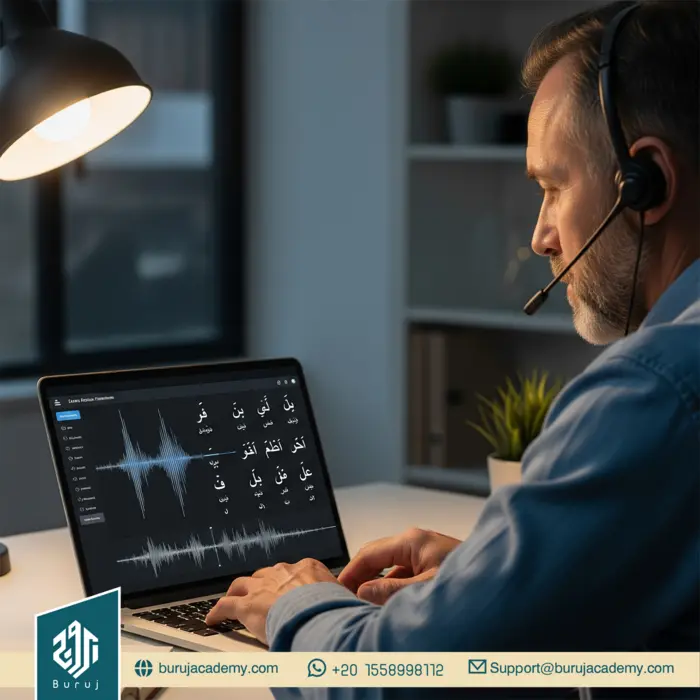
The Arabic language, with its rich history and global significance, holds immense beauty and depth. For those embarking on the journey to learn Arabic, one of the initial and often most challenging hurdles is mastering its unique sounds. Accurate Arabic pronunciation online is not just about speaking correctly; it’s about understanding and being understood, connecting with the culture, and for many, deepening their connection with the Quran.
Unlike languages with Latin-based alphabets, Arabic features sounds that don’t exist in English, articulated from different parts of the throat and mouth. Getting these sounds right is crucial for clear communication and for preserving the integrity of the language, especially in religious contexts.
This comprehensive guide will delve into the intricacies of Arabic pronunciation online, highlighting the key sounds that learners often find difficult, providing practical tips for improvement, and showcasing how Buruj Academy’s online resources and expert tutors can be your ultimate partners in achieving flawless Arabic pronunciation.
The Importance of Accurate Arabic Pronunciation
Why is correct pronunciation so vital when learning Arabic online?1. Clarity and Comprehension
Mispronouncing words can lead to confusion and misunderstandings. In Arabic, subtle differences in sound can completely change the meaning of a word. Mastering pronunciation ensures that your intended message is accurately conveyed and understood by native speakers.2. Respect for the Language and Culture
Learning to pronounce Arabic correctly demonstrates respect for the language and its rich cultural heritage. It shows that you are invested in truly learning and engaging with the Arab world.3. Essential for Quranic Recitation (Tajweed)
For Muslims, accurate pronunciation is paramount when reciting the Quran. The science of Tajweed outlines the precise rules for articulating each letter and word of the Holy Book. Incorrect pronunciation can alter the meaning of verses, making proper training in Tajweed essential for religious observance and spiritual connection.4. Increased Confidence in Speaking
When you are confident in your pronunciation, you are more likely to speak Arabic without hesitation. This leads to more practice, greater fluency, and a more enjoyable learning experience overall.Navigating the Challenges of Arabic Pronunciation Online
Learning Arabic pronunciation online presents both opportunities and challenges.Opportunities for learning Arabic pronunciation online:
- Access to Audio and Video Resources: Online platforms can provide high-quality audio and video demonstrations of correct pronunciation, allowing learners to hear and see how sounds are formed.
- Global Network of Native Tutors: Online learning connects you with native speakers from various Arabic-speaking regions, exposing you to different dialects and nuances in pronunciation.
- Interactive Learning Tools: Many online courses incorporate interactive exercises, quizzes, and feedback mechanisms to help learners practice and improve their pronunciation.
Challenges in learning Arabic pronunciation online:
- Lack of Immediate Feedback: Unlike in-person classes, getting instant feedback on your pronunciation can be more difficult in a purely self-study online environment.
- Difficulty in Identifying Subtle Differences: Some Arabic sounds are very similar to the untrained ear, making it challenging to distinguish them without expert guidance.
- Maintaining Motivation: Learning pronunciation requires consistent effort and practice, which can be harder to maintain without the structure of a physical classroom.



Leave a Reply