 Islamic
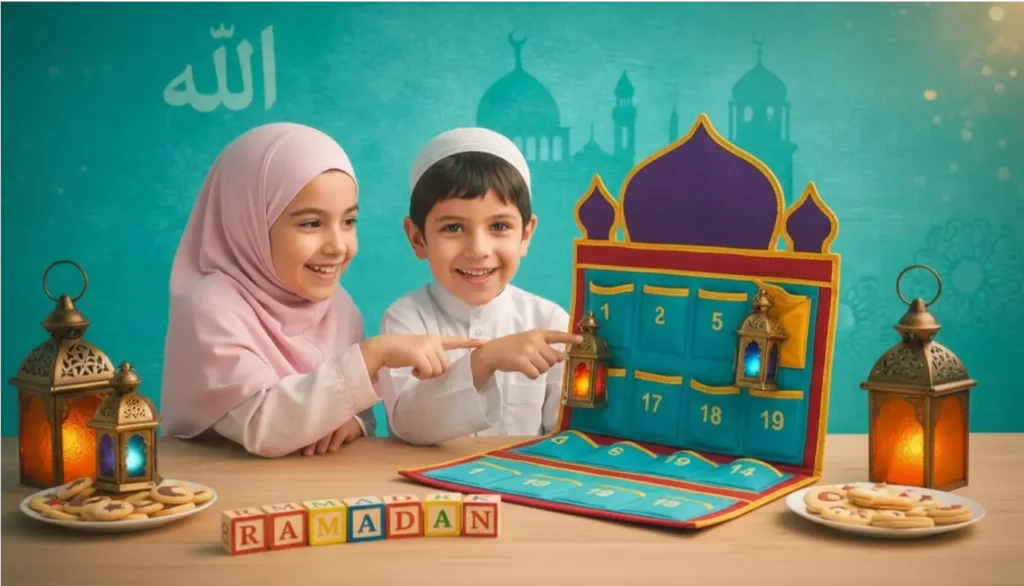
Ramadan arrives, and parents everywhere wonder the same thing: how do we make this month feel special for our children without overwhelming them? Young children sense the change in atmosphere but need guidance to understand what it truly means.
Teaching Ramadan for kids goes beyond fasting basics. This guide walks parents through age-appropriate explanations, daily activities, practical routines, and meaningful conversations that help children connect with the spirit of Ramadan at every developmental stage.
Table of Contents:
How Kids of Different Ages Understand Ramadan?
Children experience Ramadan differently depending on their age. A five-year-old grasps that “we don’t eat during the day,” while a twelve-year-old can understand gratitude, self-discipline, and the spiritual depth behind the fast.
Setting realistic expectations saves parents enormous frustration. Young children absorb Ramadan through atmosphere, routine, and emotion. Older children begin connecting it to personal faith and identity, especially when parents explain the why behind each practice.
Here is a simple overview of what to expect across age groups:
| Age Group | Understanding Level | Realistic Goal |
| Ages 4–6 | Basic awareness of the month | Recognizing Ramadan as special and joining family moments |
| Ages 7–9 | Concept of fasting and worship | Trying half-day fasts, learning short duas |
| Ages 10–12 | Deeper spiritual connection | Full or near-full fasting, increased Quran reading |
| Ages 13–15 | Personal faith and accountability | Independent worship, understanding Ramadan’s deeper purpose |
The table above shows that goals should grow with the child, not be imposed uniformly. Celebrating small wins at each stage keeps children genuinely motivated rather than reluctant.
How to Explain Ramadan to Kids?
Many parents struggle to explain Ramadan to kids without making it sound like a list of restrictions. The most effective approach frames Ramadan as a gift, not a punishment.
Try telling younger children: “Ramadan is a special month when Muslims get closer to Allah. We fast to practice being patient and grateful, and Allah loves us extra for trying.” This language is warm and motivating, not heavy.
Ages 4–7: Use Stories and Sensory Experiences
Young children learn through their senses and imagination. Describe Ramadan through the moon, the lanterns, the special foods, and the feeling of everyone praying together. Read simple Islamic storybooks about Ramadan each evening.
Ages 8–12: Connect Fasting to Values They Understand
Children this age respond well to conversations about fairness and empathy. Explain that fasting helps us feel what hungry people feel every day, which is why Ramadan includes extra charity. This makes the experience meaningful beyond just not eating.
Ages 13–15: Discuss the Spiritual and Historical Depth
Teenagers can handle discussions about why Ramadan was ordained, the revelation of the Quran, and the personal discipline fasting builds. Treat them as young adults capable of understanding layered concepts, and they’ll rise to the occasion.
Fun Ramadan Activities for Kids That Build Genuine Connection to the Month
Ramadan for kids becomes memorable through activities, not just rules. When children do things with their hands and hearts, the month leaves a lasting impression that carries into adulthood.
Buruj Academy’s Islamic Studies Classes for Kids support this beautifully by weaving Ramadan themes into lessons throughout the month, using stories and interactive discussions that bring Islamic values alive for young learners.
The first session is free in Buruj’s Islamic Studies Classes for Kids
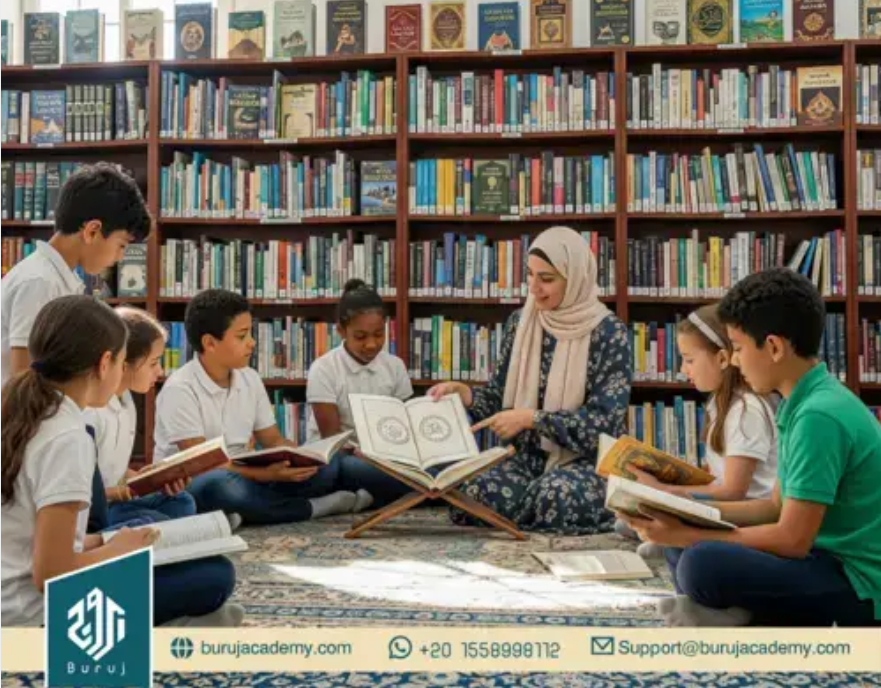
1. Make a Ramadan Countdown Calendar Together
Create a simple 30-box calendar where each day hides a small activity, dua, or Islamic fact. Children love the anticipation. Each day they open a new “gift” — a short surah to practice, a kind act to do, or a Ramadan fact to learn.
Materials needed: paper, scissors, markers, small notes Setup: Write 30 activities beforehand, fold them, place in numbered envelopes or pockets How to do it: Child opens one each day after Fajr or before Iftar Learning outcome: Daily Islamic engagement, Ramadan structure, excitement about worship
2. Set Up a Charity Jar Visible in the House
Place a jar in a visible spot. Each day, family members add coins or notes of kind deeds done for others. This teaches children that Ramadan is about giving, not just fasting. On Eid, donate whatever was collected together.
3. Create a Nightly Ramadan Journal for Older Kids
Children aged 10 and above benefit from a simple Ramadan journal: one page per night, three questions — “What am I grateful for today?”, “What dua did I make?”, and “How did I help someone?” This builds reflection habits naturally.
Discover the Buruj Academy Difference
Step into our virtual classrooms and see how our expert instructors make learning Quran and Arabic intuitive and clear. We focus on overcoming the specific hurdles non-native speakers face, building your confidence and connection with the Quran.
How Can Ramadan Become a Quran Learning Breakthrough Month?
Ramadan and Quran are inseparable in Islamic tradition, and this creates a natural opportunity for children to build stronger connections with the Book of Allah. The motivation is already in the air — parents simply need to channel it.
قُلْ هُوَ ٱللَّهُ أَحَدٌ
Qul Huwa Allahu Ahad
“Say: He is Allah, the One.”
Perfect for Ramadan focus — short, deeply meaningful, teaches Tawheed. Children aged 5 and above can memorize this with two days of gentle daily repetition.
Even ten minutes of Quran reading together after Iftar builds a habit children carry long after Ramadan ends. Buruj Academy’s Online Quran Classes for Kids can intensify during Ramadan, with instructors helping children memorize extra surahs and improve their recitation using engaging, age-appropriate methods.
Help your child start reading the Quran with a Free trial
The table below shows a simple Ramadan Quran plan for different ages:
| Age Group | Daily Quran Goal | Suggested Focus |
| Ages 4–7 | 5–10 minutes | Review memorized surahs with enthusiasm |
| Ages 8–12 | 15–20 minutes | New memorization + reading practice |
| Ages 13–15 | 20–30 minutes | Independent recitation + meaning exploration |
Consistency matters far more than duration. Even five focused, joyful minutes daily beats thirty reluctant ones. Ramadan is the ideal month to establish this habit permanently.
Read Also: Can Kids Fast In Ramadan?
How to Handle Kids Who Don’t Want to Fast During Ramadan Without Pressure or Guilt?
This is one of the most common concerns parents bring to us. A child refusing to fast — or struggling to complete it — is completely normal and should never become a source of conflict that sours their relationship with Ramadan.
Children under the age of puberty are not obligated to fast. The goal during childhood is building love for the practice, not enforcing the obligation before it arrives. Forced fasting creates resentment; invited participation creates lifelong devotion.
1. Offer Half-Day Fasts as Stepping Stones
Ages 7–10 often respond well to “practice fasting” — fasting from Fajr to Dhuhr or Dhuhr to Maghrib. Celebrate their effort sincerely. A child who completes a half-day fast deserves genuine praise, because for them, it was a real achievement.
Read Also: How to Pray for Kids in Islam?
2. Use Positive Language Around Fasting
Replace “you have to fast” with “do you want to try fasting today?” This small shift in language gives children a sense of agency. Many children, when given the choice, will choose to participate — especially if older siblings or parents are fasting.
Read Also: Top 10 Duas for Kids
3. Celebrate Attempts, Not Just Completions
If a child fasts until 2pm and then needs to eat, acknowledge what they did: “Masha’Allah, you fasted for hours today — that’s something to be proud of.” This approach builds confidence and willingness to try again tomorrow.
Deepen Your Islamic Knowledge
Study Aqeedah, Fiqh, Seerah, and essential Islamic teachings with experienced instructors in a structured online program.
Try Islamic StudiesRead Also: Wudu Steps for Kids
Help Your Child Build an Islamic Studies Foundation This Ramadan with Buruj Academy
Ramadan’s elevated spiritual atmosphere makes it the ideal time to start structured Islamic learning that continues year-round.
- Instructors who are Al-Azhar graduates with 12+ years teaching children from non-Arabic speaking families
- Age-appropriate curriculum designed specifically for children aged 4–15
- Gamification, Ramadan stories, and interactive activities — never dry lectures
- Short lessons of 20–30 minutes that fit Ramadan routines perfectly
- Patient, encouraging approach that builds a child’s love for Islam, not anxiety
- Flexible scheduling that works around Suhoor, Iftar, and school commitments
Book your child’s free trial lesson with Buruj Academy today and give this Ramadan a meaningful, lasting legacy.
Find your child’s perfect match among Buruj’s top courses for kids:
- Arabic Classes for Kids
- Alphabet course
- Noorani Qaida Course for Kids
- Quranic Arabic Course
- Islamic Studies for Kids
- Hifz Classes for Kids
- Quran Classes for Kids
- Tajweed for Kids
Get a free trial for your child today.

Conclusion
Ramadan for kids works best when it feels like a celebration rather than a set of restrictions. The activities, conversations, and routines parents build this month become some of a child’s most treasured memories of their faith.
Age-appropriate approaches genuinely matter. A four-year-old thriving in Ramadan looks completely different from a thirteen-year-old thriving, and both pictures are equally beautiful when each child is met where they are.
The habits children build during Ramadan — Quran connection, charity, gratitude, and dua — don’t have to disappear when the month ends. Start small, stay consistent, and Insha’Allah, these seeds will grow throughout your child’s entire life.






Leave a Reply