 Arabic
Unlock the Nile: The Ultimate Guide to Learning Egyptian Colloquial Arabic Online
Have you ever dreamed of strolling through the bustling streets of Khan el-Khalili in Cairo, haggling with merchants in their native tongue, or understanding the soulful lyrics of Umm Kulthum without needing a translation? Egyptian Arabic is the vibrant, beating heart of the Arab world. It’s the language of cinema, music, and daily life for over 100 million people. While Modern Standard Arabic (MSA) is the language of news and literature, to truly connect with people on a personal level, you need the local dialect. Fortunately, the digital age has made it easier than ever to embark on this journey. Learning Egyptian colloquial Arabic online has become a practical, effective, and deeply rewarding endeavor for learners across the globe. This guide will navigate you through the best methods, resources, and strategies to achieve fluency from the comfort of your own home.
Free Trial Session Contact Us
Why Choose Egyptian Colloquial Arabic Online?
Before diving into the how, let’s establish the why. Why focus specifically on the Egyptian dialect?
-
The “Hollywood” of the Middle East: For decades, Egypt has been the cultural powerhouse of the Arab world. Its movies, TV shows, and music are consumed across the entire region. As a result, Egyptian Arabic is the most widely understood dialect from Morocco to Iraq. Learning it opens doors not just in Egypt, but throughout the Middle East and North Africa.
-
Practicality for Travel and Business: If your plans involve visiting the pyramids, cruising the Nile, or doing business in Cairo, MSA will only get you so far. Real-life interactions with taxi drivers, shopkeepers, and potential business partners happen in Egyptian colloquial Arabic. Speaking their language shows respect and instantly builds rapport.
-
A Gateway to Culture: Language and culture are inextricably linked. By learning ECA, you gain direct access to Egyptian humor, idioms, and a unique way of viewing the world that is lost in translation. It’s a richer, more authentic experience.
While MSA is essential for reading newspapers or watching formal news broadcasts, it can sound overly formal, even stiff, in casual conversation. Imagine using Shakespearean English to order a coffee—that’s what speaking only MSA can sometimes feel like on the streets of Cairo.
Have specific questions or need personalized guidance on your learning path? DO not hesitate to [Contact Us] directly! We’re here to help you succeed.
The Unique Challenges of Learning ECA Online
Finding resources to learn Egyptian colloquial Arabic online presents a different set of challenges compared to learning MSA or European languages like Spanish or French.
-
Lack of Standardization: Unlike MSA, Egyptian Arabic is an oral tradition. There isn’t one single “correct” textbook grammar. Spellings can vary, and rules are more fluid, often based on common usage rather than rigid academic prescriptions.
-
Finding Authentic Materials: While the internet is vast, sifting through content to find high-quality, structured lessons specifically for the Egyptian dialect can be daunting. Many resources are labelled “Arabic” but turn out to be MSA or a confusing mix of dialects.
-
The Importance of Tone and Rhythm: The Egyptian dialect has a distinct musicality and rhythm that is crucial for sounding natural. Mastering the pronunciation of specific letters like the “qaf” (often pronounced as an ‘a’ sound) requires focused listening and imitation that textbooks alone cannot provide.
Despite these hurdles, the right online tools can overcome them effectively.
Check out Buruj Academy’s Arabic courses today!
Top Methods to Master Egyptian Colloquial Arabic Online
The key to success is a multi-faceted approach. Don’t rely on just one app or one book. Combine structured learning with immersive practice.
1. Structured Online Courses and Platforms
For a strong foundation, you need a structured path. Look for online platforms specifically designed for teaching dialects.
-
Dedicated Dialect Websites: Several websites focus exclusively on spoken Arabic. These platforms often offer video lessons filmed on location in Egypt, interactive quizzes, and downloadable audio files. They are excellent for learning essential vocabulary, grammar rules specific to ECA, and common phrases in a logical sequence.
-
University-Backed Programs: Some online academies with university affiliations offer comprehensive courses in Egyptian Arabic. These provide a more academic yet practical approach, often with graded assignments and certificates of completion. They are ideal for learners who thrive on structure and clear milestones.
When choosing a course, ensure it explicitly states it teaches “Egyptian Colloquial Arabic” or “Cairene Arabic” and includes ample audio/video content featuring native speakers.
2. Live Tutors and Language Exchange
Nothing beats real-time conversation for building fluency and confidence.
-
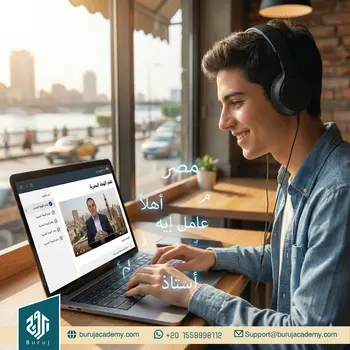
Online Tutoring Platforms: Sites like iTalki, Preply, and Verbling connect you with hundreds of community and professional tutors from Egypt. You can find affordable one-on-one lessons tailored to your level and goals. A good tutor will correct your pronunciation instantly, explain cultural nuances, and push you to speak more than you listen.
-
Language Exchange Apps: Apps like HelloTalk and Tandem allow you to connect with native Egyptian speakers who want to learn your language. You can send text messages, voice notes, or hop on video calls. It’s a fantastic, free way to practice casually and make friends. Remember, it’s a two-way street, so be prepared to help them with their English (or your native language) as well.
3. Immersive Media: Netflix, YouTube, and Music
Turn your entertainment time into study time. This is where learning Egyptian colloquial Arabic online becomes fun.
-
Egyptian Cinema and TV: Netflix and other streaming services have a growing library of Egyptian movies and series. Start with English subtitles to get the gist, then switch to Arabic subtitles to connect spoken sounds with written words, and finally, try watching with no subtitles at all. Pay attention to how people greet each other, express anger, joke, and show affection.
-
YouTube Vloggers and Influencers: Follow Egyptian YouTubers who create content about their daily lives, food, travel, or comedy. Their language is current, natural, and full of the slang you won’t find in textbooks. It’s a window into modern Egyptian society.
-
Music and Podcasts: Create playlists of Egyptian pop, underground bands, or classic singers like Abdel Halim Hafez. Listen passively while commuting or actively by trying to transcribe lyrics. Look for podcasts in simplified Egyptian Arabic aimed at learners, which bridge the gap between beginner materials and native-level content.
4. Smart Digital Tools and Apps
Use technology to reinforce what you learn.
-
Spaced Repetition Systems (SRS): Apps like Anki are incredibly powerful for vocabulary acquisition. Create your own digital flashcards with words and phrases you encounter in your lessons or media. Add audio clips to ensure you remember the correct pronunciation. The app’s algorithm will show you cards just as you’re about to forget them, maximizing memory retention.
-
Dialect-Specific Dictionaries: Online dictionaries that focus on MSA can be misleading for dialect learners. Use resources like the Lisaan Masry online dictionary, which is specifically dedicated to Egyptian colloquial Arabic. It often includes audio pronunciations and example sentences.
Practical Tips for Your Online Learning Journey –
Egyptian Colloquial Arabic Online
To truly succeed in learning Egyptian colloquial Arabic online, you need more than just resources; you need the right mindset and habits.
-
Be Consistent: Fifteen minutes of focused study every day is far more effective than a four-hour cram session once a week. Consistency builds momentum and keeps the language fresh in your mind.
-
Focus on Listening First: Like a child learning their first language, absorb the sounds before you worry too much about speaking or grammar rules. Listen to the rhythm, the intonation, and the way words flow together.
-
Embrace Mistakes: You will sound funny at first. You will use the wrong word. That’s part of the process. Native speakers generally appreciate the effort and will happily correct you. Don’t let the fear of making mistakes silence you.
-
Use the “Shadowing” Technique: Find a short audio clip of a native speaker. Listen to it a few times, then try to speak along with them simultaneously, mimicking their exact pronunciation, speed, and emotion. This is an excellent exercise for improving your accent and fluency.
Conclusion – Egyptian Colloquial Arabic Online
Embarking on the path to learn Egyptian colloquial Arabic online is an exciting adventure that opens up a world of rich culture, warm people, and endless entertainment. While it comes with its unique challenges, the wealth of online resources available today—from structured courses and live tutors to entertaining media and smart apps—makes fluency a completely attainable goal. By choosing the right combination of methods, staying consistent, and immersing yourself in the language daily, you’ll soon find yourself not just understanding the “language of the Nile,” but becoming a part of the conversation yourself. Yalla, let’s get started!
Join Our Growing Language Community – Egyptian Colloquial Arabic Online
Don’t take this journey alone. Connect with fellow learners, get daily tips, watch free video lessons, and immerse yourself in Egyptian culture through our social media channels.
| Facebook: Join discussions and get daily phrase-of-the-day posts. |
Related Articles
Arabic



Leave a Reply