 Quran
Quran
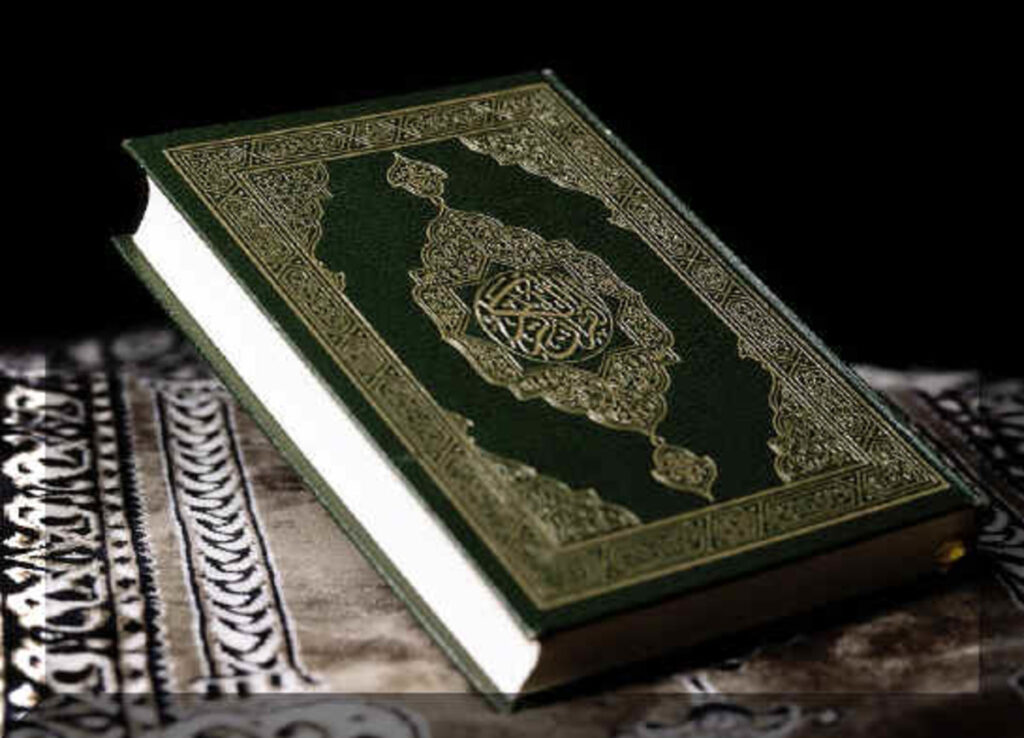
Many Muslims — and non-Muslims — hold strong opinions about what the Quran says about women, yet few have sat with the actual verses themselves. The gap between assumption and text is often startling.
The Quran presents women as spiritually equal to men, legally protected, and worthy of dignity across every life stage.
Table of Contents:
1. Women and Men Spiritually Equal Before Allah
One of the most frequently cited Quran verses about women appears in Surah Al-Ahzab. Before exploring what scholars say about it, the verse itself must be read in full — because its power lies in its comprehensive scope.
إِنَّ ٱلْمُسْلِمِينَ وَٱلْمُسْلِمَـٰتِ وَٱلْمُؤْمِنِينَ وَٱلْمُؤْمِنَـٰتِ وَٱلْقَـٰنِتِينَ وَٱلْقَـٰنِتَـٰتِ وَٱلصَّـٰدِقِينَ وَٱلصَّـٰدِقَـٰتِ وَٱلصَّـٰبِرِينَ وَٱلصَّـٰبِرَٰتِ وَٱلْخَـٰشِعِينَ وَٱلْخَـٰشِعَـٰتِ وَٱلْمُتَصَدِّقِينَ وَٱلْمُتَصَدِّقَـٰتِ وَٱلصَّـٰٓئِمِينَ وَٱلصَّـٰٓئِمَـٰتِ وَٱلْحَـٰفِظِينَ فُرُوجَهُمْ وَٱلْحَـٰفِظَـٰتِ وَٱلذَّٰكِرِينَ ٱللَّهَ كَثِيرًا وَٱلذَّٰكِرَٰتِ أَعَدَّ ٱللَّهُ لَهُم مَّغْفِرَةً وَأَجْرًا عَظِيمًا
Innal-muslimeena wal-muslimaati wal-mu’mineena wal-mu’minaati wal-qaaniteena wal-qaanitatii was-saadiqeena was-saadiqaati was-saabireena was-saabiraati wal-khaashi’eena wal-khaashi’aati wal-mutasaddiqeena wal-mutasaddiqaati was-saa’imeena was-saa’imaati wal-haafidheena furoojahum wal-haafidhaati wadh-dhaakireena Allaaha katheeran wadh-dhaakiraat a’adda Allaahu lahum maghfiratan wa ajran ‘adheema
“Indeed, the Muslim men and Muslim women, the believing men and believing women, the obedient men and obedient women, the truthful men and truthful women, the patient men and patient women, the humble men and humble women, the charitable men and charitable women, the fasting men and fasting women, the men who guard their chastity and the women who do so, and the men who remember Allah often and the women who do so — for them Allah has prepared forgiveness and a great reward.” (Al-Ahzab 33:35)
Classical tafsir scholars note that this verse was a direct divine response to a woman’s question — itself a profound statement about how Islam values women’s voices in seeking religious knowledge.
2. Women Have Rights Equivalent to Their Responsibilities
When people ask what does the Quran say about women’s rights, Surah Al-Baqarah provides one of the clearest and most legally significant answers in the entire text.
وَلَهُنَّ مِثْلُ ٱلَّذِى عَلَيْهِنَّ بِٱلْمَعْرُوفِ ۚ وَلِلرِّجَالِ عَلَيْهِنَّ دَرَجَةٌ ۗ وَٱللَّهُ عَزِيزٌ حَكِيمٌ
Wa lahunna mithlu alladhee ‘alayhinna bil-ma’roofi wa lir-rijaali ‘alayhinna darajah, wallaahu ‘azeezun hakeem
“And due to the wives is similar to what is expected of them, according to what is reasonable. But the men have a degree over them [in responsibility]. And Allah is Exalted in Might and Wise.” (Al-Baqarah 2:228)
The phrase “مِثْلُ ٱلَّذِى عَلَيْهِنَّ” — “similar to what is upon them” — is a foundational legal principle. Rights and responsibilities are mirrored. The “degree” (darajah) refers to guardianship responsibility and financial obligation, not spiritual or moral superiority.
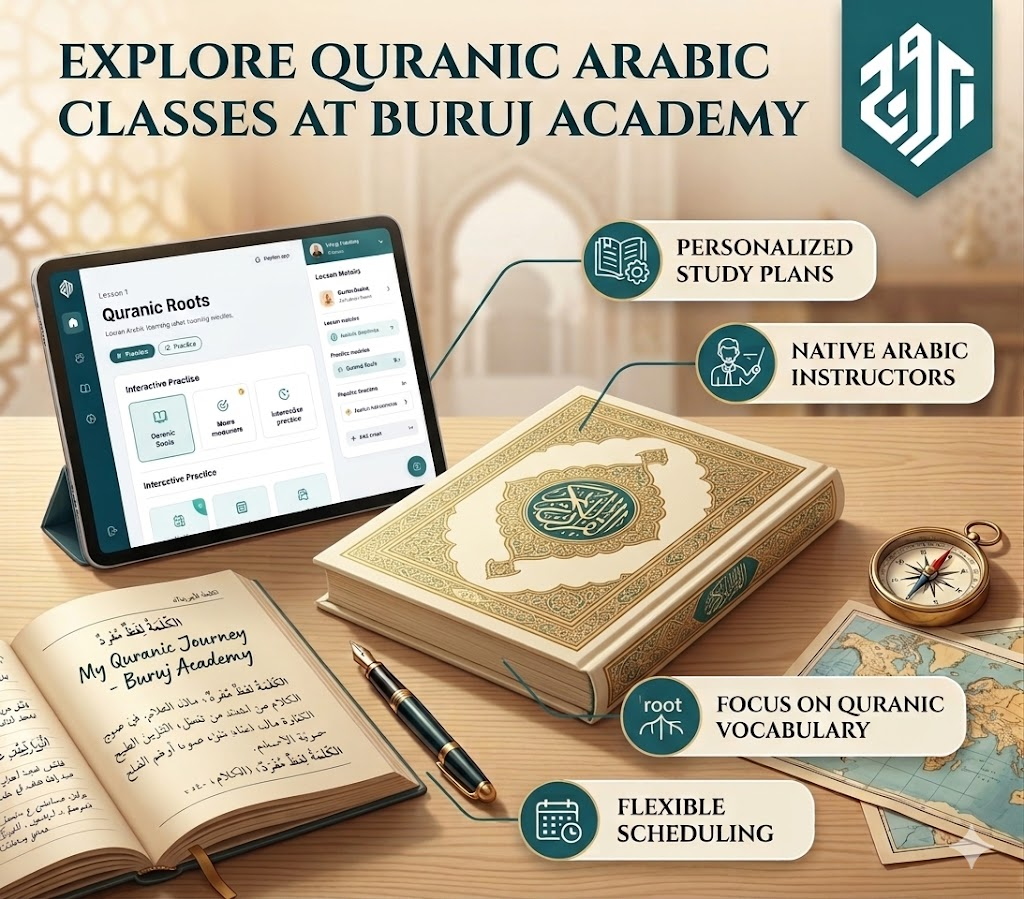
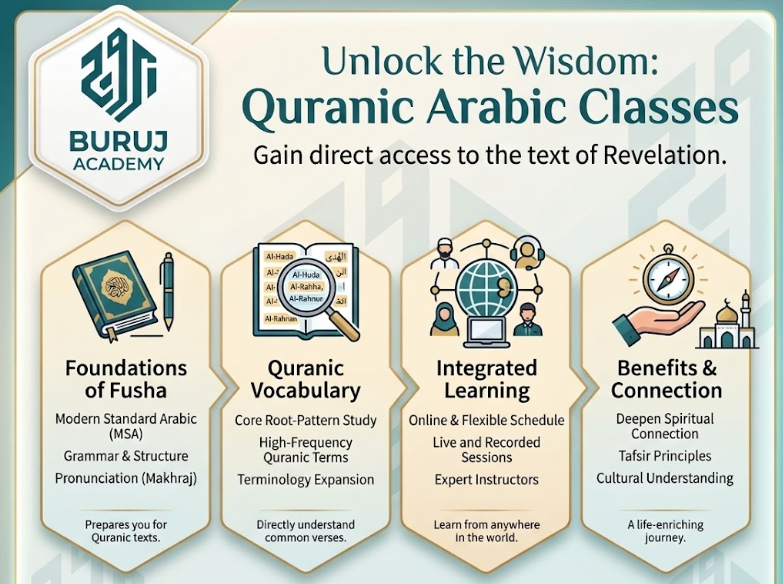
In our teaching at Buruj Academy, we find that non-Arabic speakers often encounter this verse through incomplete translations. Reading the Arabic alongside the full tafsir changes the understanding completely — which is one reason we encourage students in our Quranic Arabic Classes to engage directly with the text.
Begin Understanding Quranic Arabic with a FREE Lesson
3. Women Have Independent Financial Rights and Ownership
Among the quotes from the Quran about women’s rights, this verse from Surah An-Nisa established — in the 7th century — a principle of women’s independent financial ownership that many societies did not legally recognize for over a thousand years afterward.
لِّلرِّجَالِ نَصِيبٌ مِّمَّا ٱكْتَسَبُوا۟ ۖ وَلِلنِّسَآءِ نَصِيبٌ مِّمَّا ٱكْتَسَبْنَ ۚ وَسْـَٔلُوا۟ ٱللَّهَ مِن فَضْلِهِۦٓ ۗ إِنَّ ٱللَّهَ كَانَ بِكُلِّ شَىْءٍ عَلِيمًا
Lir-rijaali naseebun mimmak-tasaboo wa lin-nisaa’i naseebun mimmak-tasabna, was’aloo Allaaha min fadlih, innal-laaha kaana bikulli shay’in ‘aleema
“For men is a share of what they have earned, and for women is a share of what they have earned. And ask Allah of his bounty. Indeed Allah is ever, of all things, Knowing.” (An-Nisa 4:32)
A woman’s earnings are her own property — not subject to the automatic ownership of a husband or male guardian. The Mahar (dowry) she receives at marriage belongs to her alone. What she earns belongs to her alone.
This was revolutionary legislation at the time of revelation and remains a defining feature of Islamic family law.
4. The Marital Relationship is One of Profound Mutual Tranquility and Love
This verse is among the most beloved Quran quotes about women and marriage — and it is significant that Allah presents the creation of this bond as one of His signs, placing it alongside the creation of the heavens and the earth.
وَمِنْ ءَايَـٰتِهِۦٓ أَنْ خَلَقَ لَكُم مِّنْ أَنفُسِكُمْ أَزْوَٰجًا لِّتَسْكُنُوٓا۟ إِلَيْهَا وَجَعَلَ بَيْنَكُم مَّوَدَّةً وَرَحْمَةً ۚ إِنَّ فِى ذَٰلِكَ لَـَٔايَـٰتٍ لِّقَوْمٍ يَتَفَكَّرُونَ
Wa min aayaatihi an khalaqa lakum min anfusikum azwaajan litaskunoo ilayhaa wa ja’ala baynakum mawaddatan wa rahmah, inna fee dhaalika la-aayaatin liqawmin yatafakkaroon
“And of His signs is that He created for you from yourselves mates that you may find tranquility in them; and He placed between you affection and mercy. Indeed in that are signs for a people who give thought.” (Ar-Rum 30:21)
The word “سَكَن” (sakan — tranquility) is the same root as the Arabic word for home. The wife is described as a source of profound rest and peace for the husband — not a subordinate. “مَوَدَّة” (mawaddah) refers to warm, active love; “رَحْمَة” (rahmah) refers to deep compassion and mercy.
Both terms together describe a relationship designed by Allah for emotional and spiritual completeness.
Begin Understanding Quranic Arabic with a FREE Lesson
5. Believing Women Share Full Moral Agency and Accountability
A question that frequently arises is whether the Quran treats women as independent moral agents. Surah At-Tawbah answers this directly with one of the most empowering verses in Islamic scripture regarding both men and women.
وَٱلْمُؤْمِنُونَ وَٱلْمُؤْمِنَـٰتُ بَعْضُهُمْ أَوْلِيَآءُ بَعْضٍ ۚ يَأْمُرُونَ بِٱلْمَعْرُوفِ وَيَنْهَوْنَ عَنِ ٱلْمُنكَرِ
Wal-mu’minoona wal-mu’minaatu ba’duhum awliyaa’u ba’d, ya’muroona bil-ma’roofi wa yanhawna ‘anil-munkar
“The believing men and believing women are allies of one another. They enjoin what is right and forbid what is wrong.” (At-Tawbah 9:71)
The word “أَوْلِيَآءُ” (awliyaa’) means allies, protectors, and supporters — a relationship of mutual responsibility. Critically, the command to enjoin good and forbid evil is given equally to both genders.
Islamic scholarship established from this verse that women carry independent religious obligation (‘ibadah), are accountable for their own actions before Allah, and hold an active role in upholding community values.
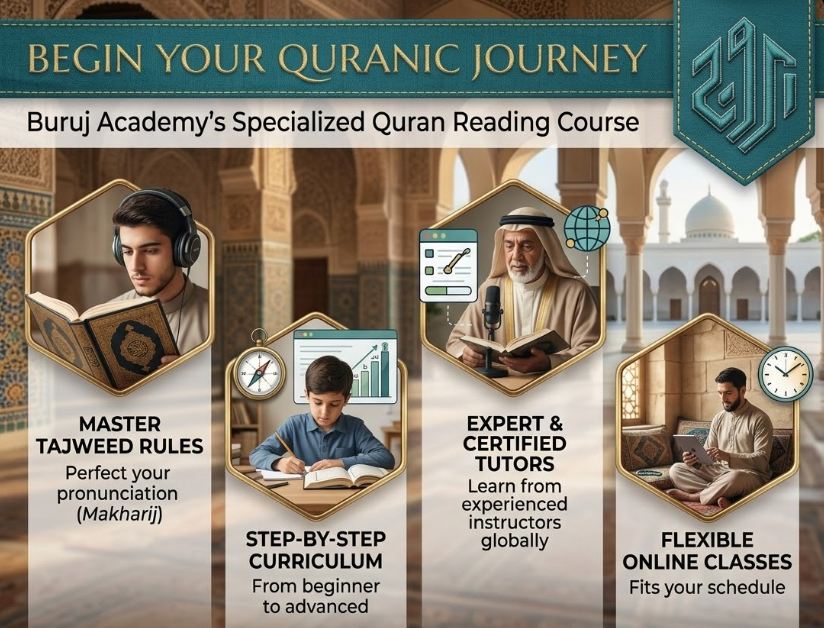
Understanding these verses in their original Arabic context deepens one’s relationship with the Quran profoundly. Students in our Online Quran Reading Course regularly tell us that encounters with verses like these — read carefully in Arabic — transform how they understand their faith.
Book your Free trial lesson and start reading the Quran
Read also: Best Quran Memorization Centers
6. The Quran Uses the Example of Asiya as a Universal Model of Faith for All Believers
Among the women mentioned in the Quran, Asiya — the wife of Pharaoh — is presented not merely as a historical figure but as a living model of faith for all believers, men and women alike.
وَضَرَبَ ٱللَّهُ مَثَلًا لِّلَّذِينَ ءَامَنُوا۟ ٱمْرَأَتَ فِرْعَوْنَ إِذْ قَالَتْ رَبِّ ٱبْنِ لِى عِندَكَ بَيْتًا فِى ٱلْجَنَّةِ وَنَجِّنِى مِن فِرْعَوْنَ وَعَمَلِهِۦ وَنَجِّنِى مِنَ ٱلْقَوْمِ ٱلظَّـٰلِمِينَ
Wa darabal-laahu mathalan lilladheena aamanumra’ata fir’awna idh qaalat rabbi ibni lee ‘indaka baytan fil-jannati wa najjinee min fir’awna wa ‘amalihee wa najjinee minal-qawmidh-dhaalimeen
“And Allah presents an example of those who believed: the wife of Pharaoh, when she said, ‘My Lord, build for me near You a house in Paradise and save me from Pharaoh and his deeds and save me from the wrongdoing people.'” (At-Tahrim 66:11)
The phrase “مَثَلًا لِّلَّذِينَ ءَامَنُوا” — “an example for those who believed” — is deliberately gender-inclusive. Asiya is a parable for all believers.
Her du’a (supplication) is one of the most studied in Islamic tradition: she chose Allah over a king, the Hereafter over a palace, and faith over power.
Her story teaches that a woman’s iman is entirely her own — independent of her husband’s disbelief, her circumstances, or her social position.
Among all the women mentioned in the Quran, Maryam (Mary, mother of ‘Isa) holds the highest station. She is the only woman referred to by name in the Quran and has an entire Surah named after her.
وَإِذْ قَالَتِ ٱلْمَلَـٰٓئِكَةُ يَـٰمَرْيَمُ إِنَّ ٱللَّهَ ٱصْطَفَىٰكِ وَطَهَّرَكِ وَٱصْطَفَىٰكِ عَلَىٰ نِسَآءِ ٱلْعَـٰلَمِينَ
Wa idh qaalatil-malaaa’ikatu yaa-Maryamu innal-laahas-tafaaki wa tahharaki was-tafaaki ‘alaa nisaa’il-‘aalameen
“And [mention] when the angels said, ‘O Mary, indeed Allah has chosen you and purified you and chosen you above the women of the worlds.'” (Ali ‘Imran 3:42)
| Woman Named/Referenced in Quran | Surah | Primary Lesson |
| Maryam (Mary) | Ali Imran, Maryam | Purity, divine election, miraculous faith |
| Asiya (wife of Pharaoh) | At-Tahrim | Faith under oppression, du’a |
| Bilqis (Queen of Sheba — by description) | An-Naml | Wisdom, leadership, submission to truth |
Excel in Your Quranic Studies
Join Buruj Academy and master the Quran with our structured, professional curriculum.
Book Your Free Trial7. Righteous Women Will Enter Paradise with Full Divine Honor
The final quote we highlight addresses a question that touches every Muslim’s heart: what awaits believing women in the Hereafter? Surah An-Nahl provides a decisive answer — one that explicitly names “righteous deeds” as the sole criterion for Allah’s promised paradise.
مَنْ عَمِلَ صَـٰلِحًا مِّن ذَكَرٍ أَوْ أُنثَىٰ وَهُوَ مُؤْمِنٌ فَلَنُحْيِيَنَّهُۥ حَيَوٰةً طَيِّبَةً ۖ وَلَنَجْزِيَنَّهُمْ أَجْرَهُم بِأَحْسَنِ مَا كَانُوا۟ يَعْمَلُونَ
Man ‘amila saalihan min dhakarin aw unthaa wa huwa mu’minun falanuhyiyannahu hayaatan tayyibatan wa lanajziyannahum ajrahum bi-ahsani maa kaanoo ya’maloon
“Whoever does righteousness, whether male or female, while he is a believer — We will surely cause him to live a good life, and We will surely give them their reward [in the Hereafter] according to the best of what they used to do.” (An-Nahl 16:97)
The verse structure is deliberate: “male or female” (ذَكَرٍ أَوْ أُنثَىٰ) is stated explicitly, then immediately followed by “while he/she is a believer.” Gender is acknowledged, then set aside as a determining factor — faith and righteous action are what matter.
The “good life” (حَيَوٰةً طَيِّبَةً) refers to both inner contentment in this world and reward in the next. This verse is foundational to the Islamic understanding of gender and spiritual standing.
Read also: Specialized Quran Memorization Courses for Women
Does the Quran Say Women Must Be Covered?
Yes, the Quran say women must be covered, which appears in Surah Al-Ahzab, introducing the jilbab — an outer garment — and providing the reasoning behind the command.
يَـٰٓأَيُّهَا ٱلنَّبِىُّ قُل لِّأَزْوَٰجِكَ وَبَنَاتِكَ وَنِسَآءِ ٱلْمُؤْمِنِينَ يُدْنِينَ عَلَيْهِنَّ مِن جَلَـٰبِيبِهِنَّ ۚ ذَٰلِكَ أَدْنَىٰٓ أَن يُعْرَفْنَ فَلَا يُؤْذَيْنَ
Yaa-ayyuhan-nabiyyu qul li-azwaajika wa banaatika wa nisaa’il-mu’mineena yudneena ‘alayhinna min jalaabeebihinn, dhaalika adnaa an yu’rafna falaa yu’dhayn
“O Prophet, tell your wives and your daughters and the women of the believers to bring down over themselves [part] of their outer garments. That is more suitable that they will be known and not be abused.” (Al-Ahzab 33:59)
The jilbab refers to a loose outer garment drawn around the body. Scholars note that the reasoning given — “that they will be known and not be abused” — establishes both a social context (the harassment women faced in Madinah) and a principle: modest dress is connected to dignity and protection.
Importantly, this verse was addressed to the Prophet ﷺ to convey to all believing women, making it a universal instruction rather than one limited to his household alone.
Read also: Inspiring and Powerful Quranic Quotes for Daily Life
What Does the Quran Say About Women Covering?
When people ask does the Quran say women must cover their hair or what does the Quran say about women covering, the primary verse comes from Surah An-Nur. This verse specifically addresses the khimar (head covering) and chest covering for women.
وَقُل لِّلْمُؤْمِنَـٰتِ يَغْضُضْنَ مِنْ أَبْصَـٰرِهِنَّ وَيَحْفَظْنَ فُرُوجَهُنَّ وَلَا يُبْدِينَ زِينَتَهُنَّ إِلَّا مَا ظَهَرَ مِنْهَا ۖ وَلْيَضْرِبْنَ بِخُمُرِهِنَّ عَلَىٰ جُيُوبِهِنَّ
Wa qul lil-mu’minaati yaghdudna min absaarihinna wa yahfadna furoojahunna wa laa yubdeena zeenatahunna illaa maa dhahara minhaa, wal-yadribna bikhumurihinna ‘alaa juyoobihinn
“And tell the believing women to reduce [some] of their vision and guard their private parts and not expose their adornment except that which [necessarily] appears thereof and to wrap [a portion of] their head-covers over their chests.” (An-Nur 24:31)
The word “خُمُر” (khumur) is the plural of “khimar” — a cloth worn over the head. The verse instructs believing women to draw this cloth over their chests (juyoob), covering what was previously left exposed.
Classical scholars of Tafsir — including Ibn Kathir and Al-Qurtubi — cite unanimous agreement among the Sahabah that this verse establishes the obligation of covering the hair and chest.
The same verse immediately before (24:30) commands believing men to lower their gaze first — modesty is introduced as a shared value before women’s specific dress is addressed.
Read also: Quran Quotes About Life
Discover the Buruj Academy Difference
Step into our virtual classrooms and see how our expert instructors make learning Quran and Arabic intuitive and clear. We focus on overcoming the specific hurdles non-native speakers face, building your confidence and connection with the Quran.
Begin Your Quranic Study with Buruj Academy’s Expert Instructors
These ten Quran quotes about women deserve more than a single reading — they deserve careful study in their Arabic original.
Buruj Academy’s Quranic Arabic Classes are taught by Al-Azhar University graduates who bring 12+ years of experience teaching non-Arabic speakers how to read and understand the Quran directly.
Our instructors offer:
- Ijazah-certified and Al-Azhar-trained scholarship
- Personalized 1-on-1 online sessions, flexible 24/7 scheduling
- The Buruj Method: Context-before-abstraction for genuine comprehension
- Real-time feedback and structured progression from beginner to advanced
Book your free trial lesson and begin engaging with the Quran’s words about women — and everything else — the way they were meant to be read.
Take the next step in your learning journey today by enrolling in one of our specialized programs:
- Online Quran Classes
- Online Quran Classes for Beginners
- Online Quran Classes for Adults
- Online Quran Classes for Ladies
- Online Quran Classes for Kids
- Quran Reading Course
- Quran Recitation Course
- Online Ijazah Course
- Online Qirat Course
Don’t wait to transform your relationship with the Holy Quran. Join our global community of students and book your free evaluation session now!
Excel in Your Quranic Studies
Join Buruj Academy and master the Quran with our structured, professional curriculum.
Book Your Free TrialConclusion
The Quran’s words about women are precise, layered, and — when read in their Arabic original with sound tafsir — consistently affirming of women’s spiritual equality, moral agency, legal rights, and honored status before Allah. From the spiritual parity declared in Al-Ahzab 33:35 to the universal exemplar of Asiya in At-Tahrim 66:11, these verses form a coherent picture that rewards careful study.
Reading these quotes is a beginning. Understanding them in Arabic, with proper context and scholarly grounding, is where the real transformation of understanding takes place.
We encourage every Muslim — regardless of background — to engage with these verses directly, patiently, and with an open heart.
Frequently Asked Questions About Quran Quotes About Women
Does the Quran Say Men and Women Are Equal?
Yes, the Quran affirms spiritual equality between men and women — both receive identical reward for identical righteous deeds, as stated in Al-Ahzab 33:35 and An-Nahl 16:97. Certain legal distinctions exist in areas like inheritance and guardianship, which classical scholars interpret as reflecting different responsibilities rather than unequal worth before Allah.
What Does the Quran Say About Women Covering Their Hair?
Surah An-Nur 24:31 instructs believing women to draw their khimar (head covering) over their chests, covering their adornment. Surah Al-Ahzab 33:59 instructs the use of the jilbab (outer garment). The majority of classical scholars interpret these verses as establishing the obligation to cover the hair and body, with scholarly discussion around specific details of implementation.
What Women Are Mentioned in the Quran by Name?
Only one woman is mentioned by name in the Quran: Maryam (Mary), who has an entire Surah (Chapter 19) named after her. Other women — including Asiya (wife of Pharaoh), Bilqis (Queen of Sheba), and the wives of various prophets — are referenced by title, description, or relationship rather than by personal name.
Are There Quran Verses About Women’s Rights in Marriage?
Yes. Al-Baqarah 2:228 establishes that women hold rights equivalent to their responsibilities in marriage. An-Nisa 4:4 affirms the mahr (dowry) as the woman’s sole property. An-Nisa 4:19 prohibits husbands from inheriting wives against their will or treating them with harm. Together, these verses establish a legal framework of mutual rights within marriage. Students exploring this topic further benefit greatly from our Quran Reading Course to engage with these verses in their original context.
Where Can I Learn to Read These Quran Verses in Arabic?
The most reliable path is structured study with qualified teachers. Buruj Academy’s Online Quran Classes for Beginners and Quranic Arabic Classes are designed specifically for non-Arabic speakers, taught by Al-Azhar University graduates with the patience and methodology to guide students from basic letter recognition to reading and comprehending Quranic Arabic directly. You can also explore how to start reading the Quran daily and the benefits of reading the Quran to strengthen your motivation and practice.