 Tajweed

| Key Takeaways |
| Waqf symbols in the Quran are recitation instructions, not decorative marks — each one tells the reader precisely when to stop or continue. |
| The symbol (مـ) marks a mandatory stop; pausing here is obligatory and continuing without stopping changes the intended meaning. |
| The symbol (لا) forbids stopping entirely — pausing here or restarting from that point distorts the verse’s correct grammatical meaning. |
| The symbols (صلي) and (قلي) indicate preferred choices: (صلي) favors continuation while (قلي) favors pausing, though both options remain valid. |
When non-Arabic speakers open the Quran for the first time, the small letters and symbols scattered between the words can feel puzzling — even distracting. These marks are not decorative, and they are not random. They carry precise recitation instructions placed by scholars to protect the meaning of Allah’s words.
These symbols are called Waqf signs — stopping and continuation markers that govern where a reciter pauses, where they must continue, and where they are given a choice. Knowing them is not optional for correct Quran recitation; it is a foundational part of reading the Quran as it was revealed.
Table of Contents:
What Are the Waqf Symbols in the Quran and Why Do They Matter?
Waqf signs are scholarly notation marks inserted into the Mushaf to guide reciters on correct pausing positions during recitation.
Each symbol reflects a ruling developed by classical Tajweed scholars based on Arabic grammar, sentence meaning, and the preserved oral tradition of Quranic recitation.
Pausing in the wrong place can reverse or distort the intended meaning of a verse — which is precisely why these markers exist.
In our sessions at Buruj Academy, this is one of the first practical lessons we address with students who have moved past basic letter recognition. Many learners are technically reading words correctly but pausing arbitrarily — sometimes mid-sentence — which unintentionally alters what a verse communicates.
The Waqf symbols solve that problem entirely, provided the student understands what each one means.
These symbols appear in the Uthmani Mushaf used across the Muslim world and are consistent across printed editions published by the King Fahd Complex for the Printing of the Holy Quran.
If you are just beginning your Quran reading path, our guide on reading the Quran for the first time provides the broader context that will make these symbols even more meaningful.
A structured course like Buruj Academy’s Tajweed for Beginners Course covers all symbols systematically within the first module.
Book Your FREE Trial Lesson to Begin Your Tajweed Journey

Excel in Your Quranic Studies
Join Buruj Academy and master the Quran with our structured, professional curriculum.
Book Your Free TrialRead also: What Does the Small Jeem (ج) Mean in the Quran?
What Does the Symbol (مـ) Mean in the Quran?
The symbol (مـ), short for Waqf Lazim (الوقف اللازم), marks a mandatory stop. Stopping here is obligatory, and continuing past this point without pausing changes the meaning of the verse in a way that is grammatically or theologically incorrect.
This is the most serious of all Waqf rulings — it is the only symbol that removes the reciter’s choice entirely. The stop is not preferred; it is required. Beginning again from the word that follows (مـ) is equally obligatory.
Example of Waqf Lazim in the Quran
A well-known example occurs in Surah Al-An’am (6:36):
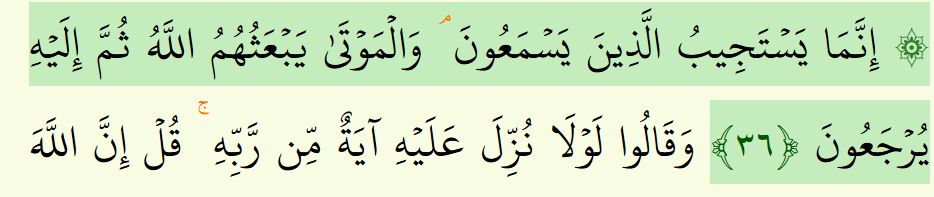
Innamā yastajību alladhīna yasmaʿūna — wal-mawtā yabʿathuhumu Allāh
“Only those who hear will respond. But the dead – Allah will resurrect them” (Al-An’am 6:36)
Without the mandatory stop, a reader might continue and unintentionally connect “those who hear” with “the dead” — implying the dead respond, which reverses the verse’s meaning entirely. The (مـ) prevents this misreading.
What Does the Symbol (لا) Mean in the Quran?
The symbol (لا) is the prohibition marker — it explicitly forbids stopping at that position and equally forbids restarting from the word that follows it. Unlike other symbols, it carries a double restriction: no pause here, and no fresh start from that word.
This symbol appears where a pause would grammatically orphan a phrase or create a misleading reading. The reciter must carry through to a natural sentence boundary before stopping.
A Common Example of the (لا) Symbol
In Surah Al-Baqarah (2:262):
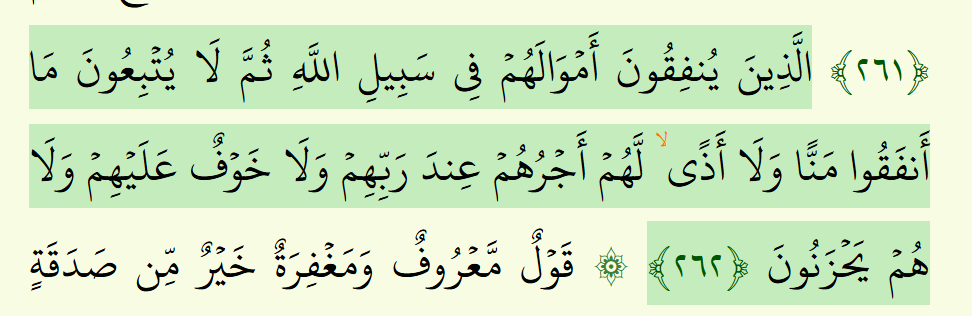
“Then do not follow what they have spent with reminders of it or injury — for them their reward is with their Lord.” (Al-Baqarah 2:262)
Stopping before “lahum” (لَهُمْ) and restarting from it would disconnect the reward clause from its context, disrupting meaning. The (لا) instructs: keep reading through.
Discover the Buruj Academy Difference
Step into our virtual classrooms and see how our expert instructors make learning Quran and Arabic intuitive and clear. We focus on overcoming the specific hurdles non-native speakers face, building your confidence and connection with the Quran.
What Does the Symbol (صلي) Mean in Quran Reading?
The symbol (صلي), abbreviated from Al-Wasl Awla (الوصل أولى), indicates that continuation is the preferred choice, though stopping remains permissible. This is a guidance marker, not a prohibition — the reciter has genuine latitude, but the scholarly preference leans toward not pausing.
Reciters at the advanced level who understand Arabic grammar often prefer continuation here because the sentence structure flows more naturally. Beginners, however, may stop if they need breath — and their recitation remains valid.
The Quranic Example for (صلي)
In Surah Al-Baqarah (2:38):
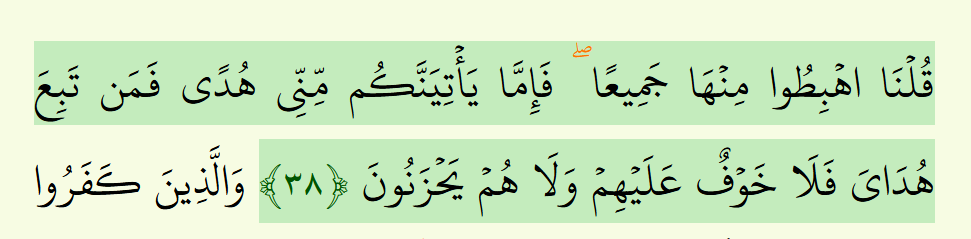
“Go down from it, all of you. And when guidance comes to you from Me, whoever follows My guidance – there will be no fear concerning them, nor will they grieve.'” (Al-Baqarah 2:38)
Continuing here is preferred because what follows connects directly to the divine command just issued.
Read also: What Does the Small Meem Mean in the Quran?
What Does the Symbol (قلي) Mean in Quran Reading?
The symbol (قلي), abbreviated from Al-Waqf Awla (الوقف أولى), is the complement of (صلي). Here, stopping is the preferred choice, though continuation remains valid. Scholars prefer the pause because the sentence has reached a natural completion point, and what follows begins a new thought.
This symbol appears frequently in the Quran at positions where the meaning is grammatically complete but where a reader might feel uncertain whether to stop.
The Quranic Example for (قلي)
In Surah Al-Kahf (18:22):
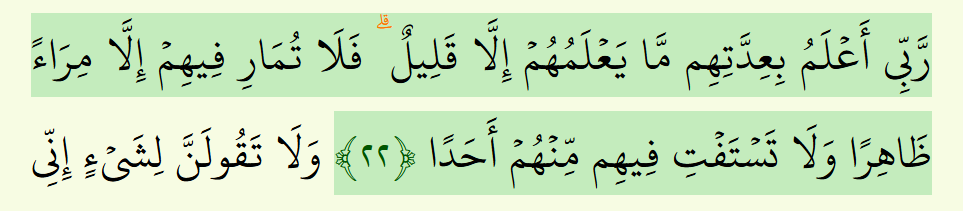
“None knows them except a few. So do not argue about them except with an obvious argument and do not inquire about them among [the speculators] from anyone.” (Al-Kahf 18:22)
The statement about limited knowledge is complete. Stopping here — before the new instruction begins — is the stronger recitation choice.
What Does the Symbol (ج) Mean in the Quran?
The symbol (ج), standing for Waqf Ja’iz (الوقف الجائز), indicates a permissible stop — the reciter may pause or continue with equal validity. No preference is stated either way. This gives the reciter complete freedom based on breath management, memorization flow, or personal recitation style.
In our experience teaching non-Arabic speakers through Buruj Academy’s Online Tajweed Classes, students often find (ج) the most comfortable symbol to encounter during recitation practice. It removes pressure entirely and allows natural breathing pauses without concern.
Book Your FREE Trial Lesson to Begin Your Tajweed Journey

The Quranic Example for (ج)
In Surah Al-Hujurat (49:7):
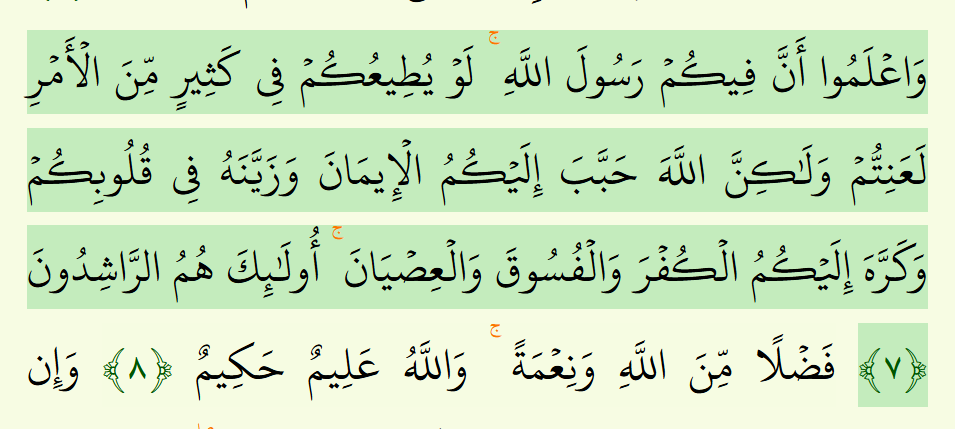
“And know that among you is the Messenger of Allah. If he were to obey you in much of the matter, you would be in difficulty, but Allah has endeared to you the faith and has made it pleasing in your hearts and has made hateful to you disbelief, defiance and disobedience. Those are the [rightly] guided.” (Surah Al-Hujurat (49:7))
How Do Quran Reading Symbols Differ From Tajweed Rules?
Waqf symbols govern where to pause during recitation. Tajweed rules govern how letters and sounds are produced. These are two distinct sciences that work together — Waqf is the structural skeleton of recitation; Tajweed is the phonetic precision applied to every syllable.
A reciter may know all Tajweed rules perfectly — correct Ghunnah, proper Ikhfa, accurate Qalqalah — and still recite incorrectly by ignoring Waqf positions. Similarly, correct Waqf cannot compensate for mispronounced letters.
Signs in Quran Reading: A Summary Reference
| Symbol | Arabic Term | Meaning | Stop Allowed? | Continue Allowed? |
| مـ | Waqf Lazim | Obligatory stop | Obligatory | Prohibited |
| لا | Waqf Mamnu’ | Prohibited stop | Prohibited | Obligatory |
| صلي | Al-Wasl Awla | Continue preferred | Permissible | Preferred |
| قلي | Al-Waqf Awla | Stop preferred | Preferred | Permissible |
| ج | Waqf Ja’iz | Free choice | Permissible | Permissible |
| ۛ ۛ | Waqf Mu’anaqah | Stop at one of two | At one only | Required past the other |
For students building their Tajweed foundation, our detailed guide on Tajweed for beginners covers the phonetic rules that complement these Waqf symbols.
Excel in Your Quranic Studies
Join Buruj Academy and master the Quran with our structured, professional curriculum.
Book Your Free TrialMaster Quranic Recitation with Buruj Academy’s Expert Instructors
Knowing Waqf symbols intellectually is the first step — applying them correctly during live recitation requires guided practice with an instructor who can hear your pauses in real time.
At Buruj Academy, our Online Tajweed Classes are taught by Ijazah-certified instructors and Al-Azhar University graduates with 12+ years of experience teaching non-Arabic speakers worldwide. Through the Buruj Method — sound before rules, consistency before speed — students progress from symbol recognition to confident, accurate recitation.
- Personalized 1-on-1 online sessions with flexible scheduling
- Real-time feedback and immediate correction
- Structured progression from foundational Waqf to advanced Tajweed application
Join a supportive learning environment tailored to your pace and lifestyle. Start your journey toward excellence by enrolling in one of our specialized tracks:
- Online Tajweed Classes
- Tajweed Classes for Beginners
- Tajweed Classes for Adults
- Tajweed Classes for Sisters
- Tajweed Classes for Kids
- Advanced Tajweed Course
- Amli Tajweed Course (Practical Application)
Book your free trial lesson today and experience expert-guided Quran recitation from your first session.
Frequently Asked Questions About Waqf Symbols in the Quran
What Happens If I Ignore Waqf Symbols While Reading the Quran?
Ignoring Waqf symbols — especially (مـ) and (لا) — can alter the intended meaning of a verse. Pausing at a prohibited position or continuing past a mandatory stop disrupts grammatical structure and may produce a reading that contradicts the verse’s correct interpretation. Observing Waqf symbols is part of proper Tajweed practice.
Are Waqf Symbols Part of the Original Quran Text?
Waqf symbols are scholarly additions to the Mushaf — they are not part of the original revealed text (the Wahy). They were introduced by Tajweed scholars to preserve correct recitation for non-native Arabic speakers and later generations. The Quranic text itself remains unchanged; these marks are guidance tools within the margins and between words.
Can I Stop Wherever I Want in the Quran If There Is No Waqf Symbol?
When no symbol is present, scholars permit stopping at natural sentence boundaries — positions where the meaning is grammatically complete. However, stopping mid-sentence where meaning is incomplete is discouraged even without a (لا) marker. When in doubt, continuing to the nearest clear sentence boundary is the safer recitation choice.
What Is the Difference Between (صلي) and (قلي) in Quran Reading?
Both symbols indicate a permitted choice — but they lean in opposite directions. (صلي) means continuation is preferred, though stopping is allowed. (قلي) means stopping is preferred, though continuation is allowed. Neither is obligatory; both preserve valid options while guiding the reciter toward the stronger scholarly preference at that specific position.
How Long Does It Take to Learn All the Waqf Symbols?
Most students recognize and correctly apply all six core Waqf symbols within 2–3 weeks of focused study with a qualified instructor. Recognition is fast; consistent correct application during live recitation — especially Waqf Mu’anaqah — typically requires an additional 2–4 weeks of supervised practice.
Related Articles
Tajweed